

Unravelling the Complex Web: The Psychological Impact of Social Media
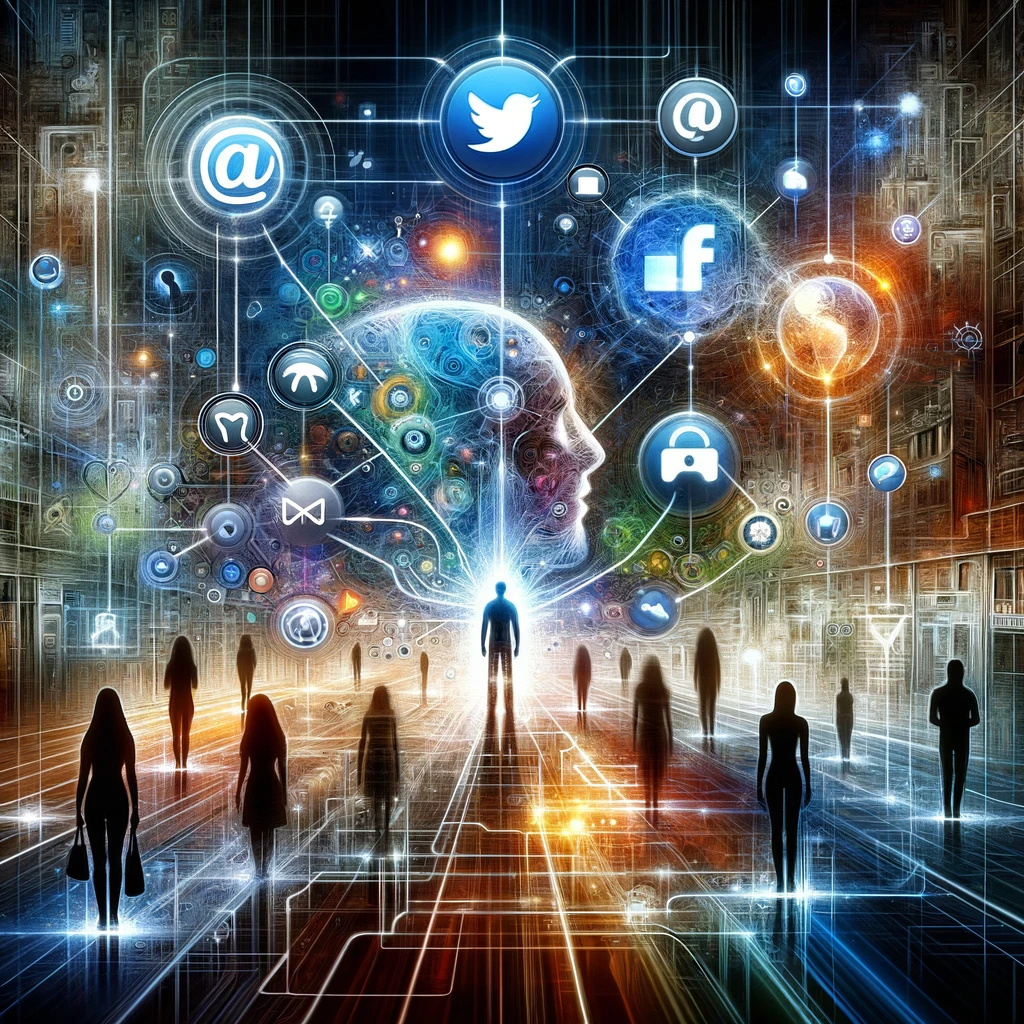
In the fabric of modern society, social media platforms have become as omnipresent as the very air we breathe. Initially heralded as tools for bringing the world closer together, these digital ecosystems have evolved into complex networks that significantly influence human behavior, relationships, and mental health. This evolution begs a nuanced exploration of the psychological impacts of social media and the development of strategies for its responsible use, as well as the importance of digital literacy in navigating these online spaces.
Social media, by design, taps into the core of human desire for connection, validation, and self-expression. Platforms like Facebook, Twitter, Instagram, and TikTok have redefined how we interact, shaping new forms of social norms and expectations. The immediacy and ubiquity of these interactions offer unprecedented opportunities for social engagement, yet they also present unique challenges. The constant comparison, driven by curated portrayals of success and happiness, can distort self-perception and exacerbate feelings of inadequacy and loneliness. This paradoxical effect underscores a critical dichotomy of social media: its ability to connect us more broadly yet isolate us more deeply.
The implications of social media on relationships are equally profound. Digital interactions can supplement and enrich personal connections, allowing for the maintenance of relationships across distances that would have been insurmountable in a pre-digital era. However, the predominance of these interactions can also dilute the quality of our connections, substituting deep, meaningful relationships with superficial engagements. This shift not only affects personal relationships but also alters societal cohesion, influencing everything from political discourse to community engagement.
Perhaps the most concerning aspect is the impact of social media on mental health. Studies have linked excessive social media use to an array of psychological issues, including anxiety, depression, and decreased self-esteem. The mechanisms behind these effects are complex, involving a mix of social comparison, dopamine-driven feedback loops, and disrupted sleep patterns. Moreover, the platforms themselves are designed to captivate and retain attention, often at the expense of the user’s well-being.
Despite these challenges, social media remains an integral part of modern life, suggesting the need for strategies that mitigate its negative impacts while amplifying its positive aspects. Responsible use of social media begins with self-awareness and mindfulness about online habits. Limiting time spent on platforms, curating a positive and diverse feed, and engaging in meaningful interactions can help reduce adverse effects. Additionally, digital detoxes—periods where individuals consciously step away from digital devices—can provide necessary respite and perspective.
Digital literacy plays a crucial role in navigating the complexities of online spaces. Understanding how algorithms shape the content we see, recognizing misinformation, and being aware of privacy issues are essential skills in the digital age. Educating users, especially younger generations, on these topics can empower individuals to make informed decisions about their online presence and interactions.
The call for regulatory oversight and ethical considerations in platform design is growing louder. There is an increasing recognition that social media companies must take responsibility for the impact of their platforms on users’ well-being. This includes transparency in algorithms, tools for managing screen time, and features that encourage positive social interactions.
As we continue to unravel the psychological tapestry of social media, it’s clear that its impact on human behavior, relationships, and mental health is profound and multifaceted. The journey towards harnessing the positive potential of these platforms while minimizing their pitfalls is complex, requiring a concerted effort from individuals, communities, and policymakers alike. In this digital age, the path to well-being lies in finding balance, fostering meaningful connections, and cultivating digital resilience.
[title]Unravelling the Complex Web: The Psychological Impact of Social Media[/title]
[teaser]How does social media shape our minds, relationships, and well-being in a digitally connected world?[/teaser]
[tags]social media, psychology, digital literacy, mental health, relationships, technology, digital detox, online behavior[/tags]
[category]Technology[/category]
[time]4[/time]
[dalle]An abstract representation of social media’s influence on human behavior, depicting diverse human figures interconnected through glowing digital lines and icons of popular social media logos, all against a backdrop that blends the digital realm with everyday life, showcasing elements like nature, urban settings, and personal spaces to indicate the pervasive reach of social media. The style should convey a balance between technology and humanity, illustrating both the positive connections and potential for isolation.[/dalle]
[alt]An abstract digital artwork illustrating the pervasive influence of social media on human behavior and relationships, blending elements of technology and everyday life.[/alt]


