The Remarkable Journey of Water: From Source to Tap in the UK
In the United Kingdom, a nation known for its picturesque landscapes and bustling cities alike, the journey of water from its source to the taps in our homes is a marvel of modern engineering and environmental stewardship. This vital process, often taken for granted, ensures that millions have access to clean, safe drinking water every day. It’s a complex, multi-stage operation that involves sourcing, treating, and distributing water, a lifeline that flows through the veins of our communities.
The story of our drinking water begins at its source. The UK is fortunate to have a variety of water sources, including rivers, reservoirs, and underground aquifers. Each source has its unique characteristics and challenges, dictating the treatment methods required. Rain, the ultimate source of all fresh water, plays a critical role in replenishing these sources. However, the distribution of rainfall in the UK is not uniform, leading to regional differences in water abundance. Areas like Wales and the Lake District are rich in water, thanks to their high rainfall, while the southeast of England, with its lower rainfall and higher population density, often faces greater challenges in water supply.
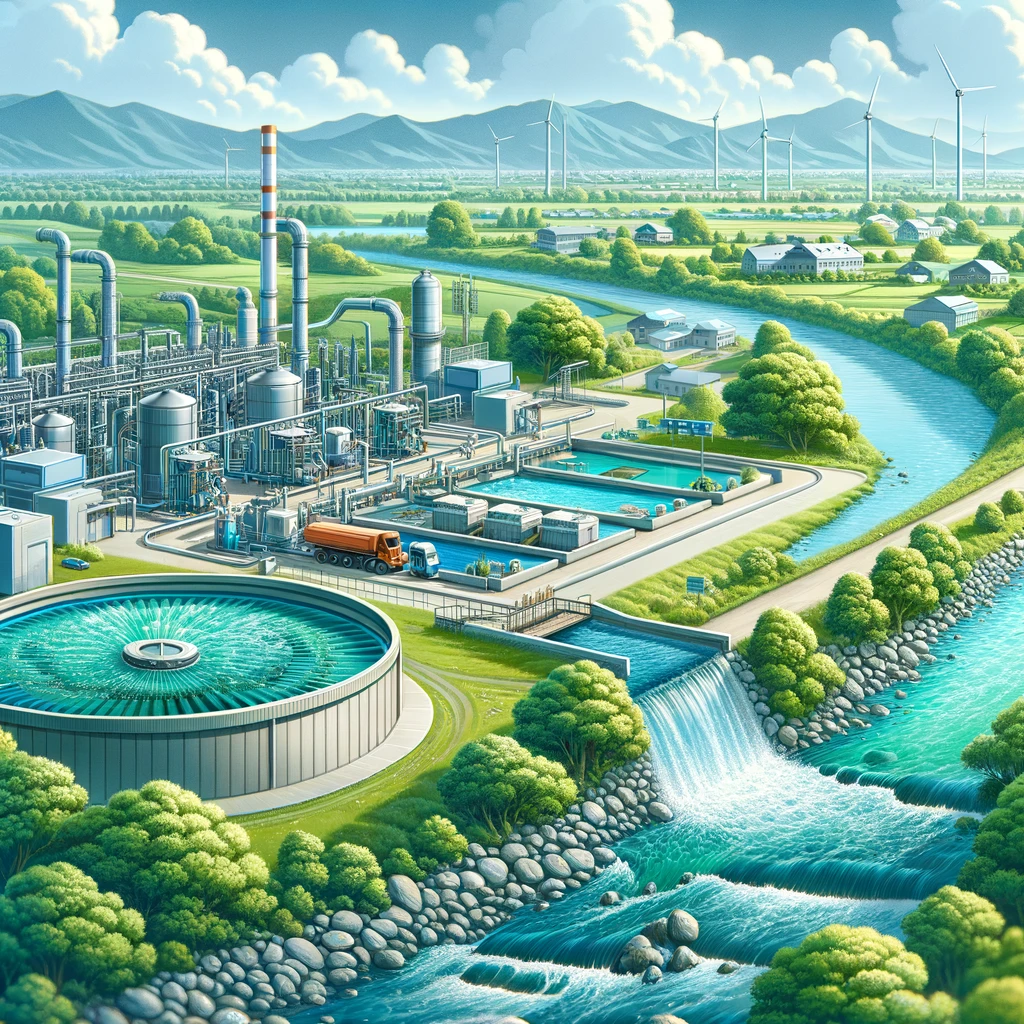
Once water is sourced, it undergoes a rigorous treatment process to ensure it meets strict safety standards. This process typically involves several steps: coagulation and flocculation to remove large particles, sedimentation to allow particles to settle, filtration to remove smaller particles, and disinfection to kill any harmful microorganisms. Advanced treatments, such as ozonation or activated carbon filtration, may also be used to target specific contaminants. The goal is to produce water that is not only safe to drink but also aesthetically pleasing, with no off-tastes or odours.
The distribution of treated water to homes and businesses is an engineering feat that spans thousands of miles of pipes, pumps, and storage facilities. The UK’s water network is a vast and intricate system, designed to ensure that clean water is always available on demand. Maintaining this network requires constant vigilance and investment. Leaks and bursts can lead to water loss and service disruptions, while changes in demand, due to population growth or weather conditions, require adaptive management strategies.
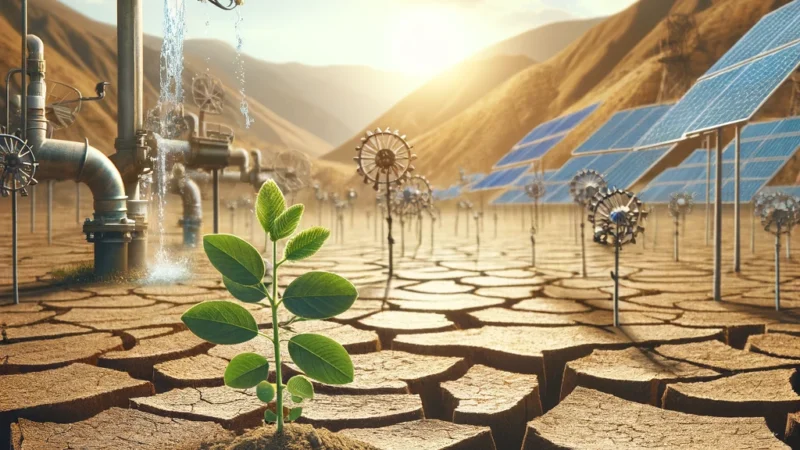
In recent years, the sustainability of water supply and distribution has become a growing concern. Climate change poses significant risks, with changing rainfall patterns affecting water availability and quality. There is an increasing focus on reducing water loss through leaks, encouraging water efficiency among consumers, and exploring alternative water sources, such as desalination and water recycling. These measures are vital in ensuring the long-term resilience of the UK’s water infrastructure against the challenges of the future.
The provision of clean drinking water is a testament to human ingenuity and our ability to harness nature’s resources for our well-being. It’s a complex journey that connects us to the environment in fundamental ways, reminding us of the importance of conserving this precious resource. As we turn on our taps, it’s worth reflecting on the remarkable journey that water takes to reach us, and the collective effort required to sustain this lifeline for generations to come.