

The Persistent Relevance of Desktop Computers in an Increasingly Portable World
The evolution of technology is a tale of constant innovation and change, where each new device seems poised to eclipse its predecessors. In this rapidly transforming landscape, the fate of desktop computers has frequently come under scrutiny. As we witness the rise of ever more powerful laptops, smartphones, and tablets, the question arises: what future do desktop computers hold in our homes and offices?
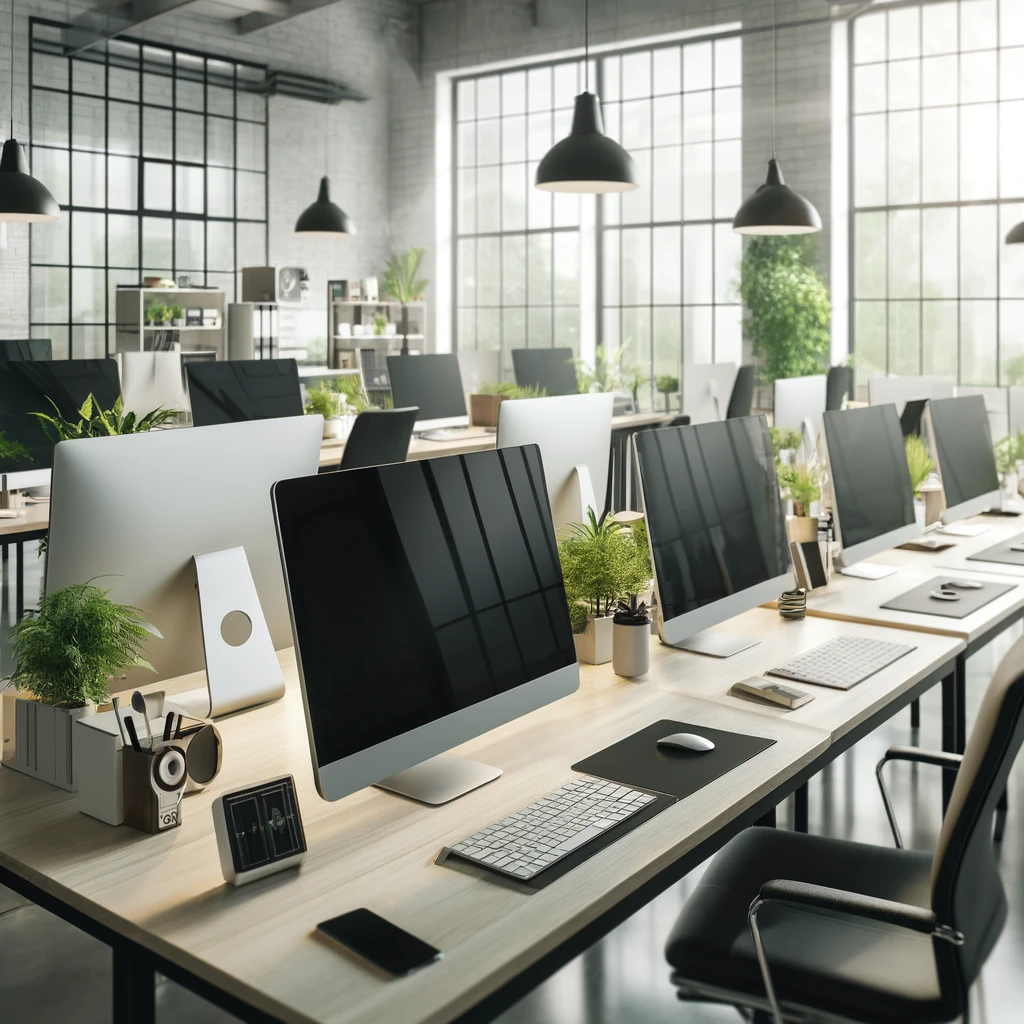
Despite the growing capabilities of portable devices, desktop computers have not surrendered their place in the technological hierarchy. Indeed, their role in certain sectors seems only to have solidified. In offices, for instance, the desktop remains a staple. Its enduring presence is not merely a nod to tradition but a testament to its suitability for the environment. The reasons are manifold. Desktops offer superior ergonomic designs, which are crucial in a corporate setting where employees spend long hours at their stations. The comfort provided by a full-sized keyboard, a dedicated mouse, and monitors at eye level significantly reduces the risk of strain injuries and increases productivity.
Moreover, the expandability of desktops is unmatched. Businesses often require specialised hardware for specific tasks, from graphic design to data analysis. Desktops allow for easier upgrades like adding RAM, swapping graphics cards, or increasing storage space—flexibilities that laptops typically cannot match. This upgradability makes desktops a long-term investment, capable of evolving with a company’s needs.
In the realm of gaming, desktop computers have a particularly fervent following. The performance demands of modern games—high-resolution graphics, rapid processing speeds, and extensive multitasking capabilities—are areas where desktops excel. Gaming laptops, while increasingly competent, still struggle to keep pace with their desktop counterparts in terms of performance per pound spent. Furthermore, the thermal limitations of a compact laptop chassis often mean that prolonged gaming sessions lead to throttling, where performance is deliberately reduced to prevent overheating. Desktops, with their more robust cooling systems, sidestep this issue, allowing for longer and more stable gaming sessions.
However, the question of obsolescence is never far away. Innovations in cloud computing and the increasing power of portable devices do suggest a future where the physical presence of powerful hardware might be less critical. Services like cloud gaming and virtual desktops could potentially diminish the need for powerful local machines. Here, the raw power of desktops could be supplanted by the flexibility and convenience of accessing high-performance computing power over the internet.
Yet, even with these advancements, the transition might not spell the end for desktops. Instead, it could transform their role. In professional and creative domains, the precision offered by dedicated peripherals (like high-quality monitors and professional audio systems), and the reliability of a stable, direct internet connection via Ethernet, are compelling reasons for desktops to remain integral to certain workflows.
Moreover, there is a cultural aspect to consider. For many, the desktop computer is not merely a tool but a part of their personal and professional identity—a symbol of a dedicated space for serious work or play. This sentiment, coupled with the practical advantages of desktop systems, ensures they retain a significant foothold despite the allure of portability.
While the landscape of technology will continue to evolve, and portable devices will grow increasingly powerful, desktop computers are likely to remain relevant. They offer unmatched upgradability, ergonomic comfort, and raw power in professional and gaming contexts—qualities that portable devices are yet to fully replicate.


