

The Future of Door Intercom Systems: Bridging Security and Innovation
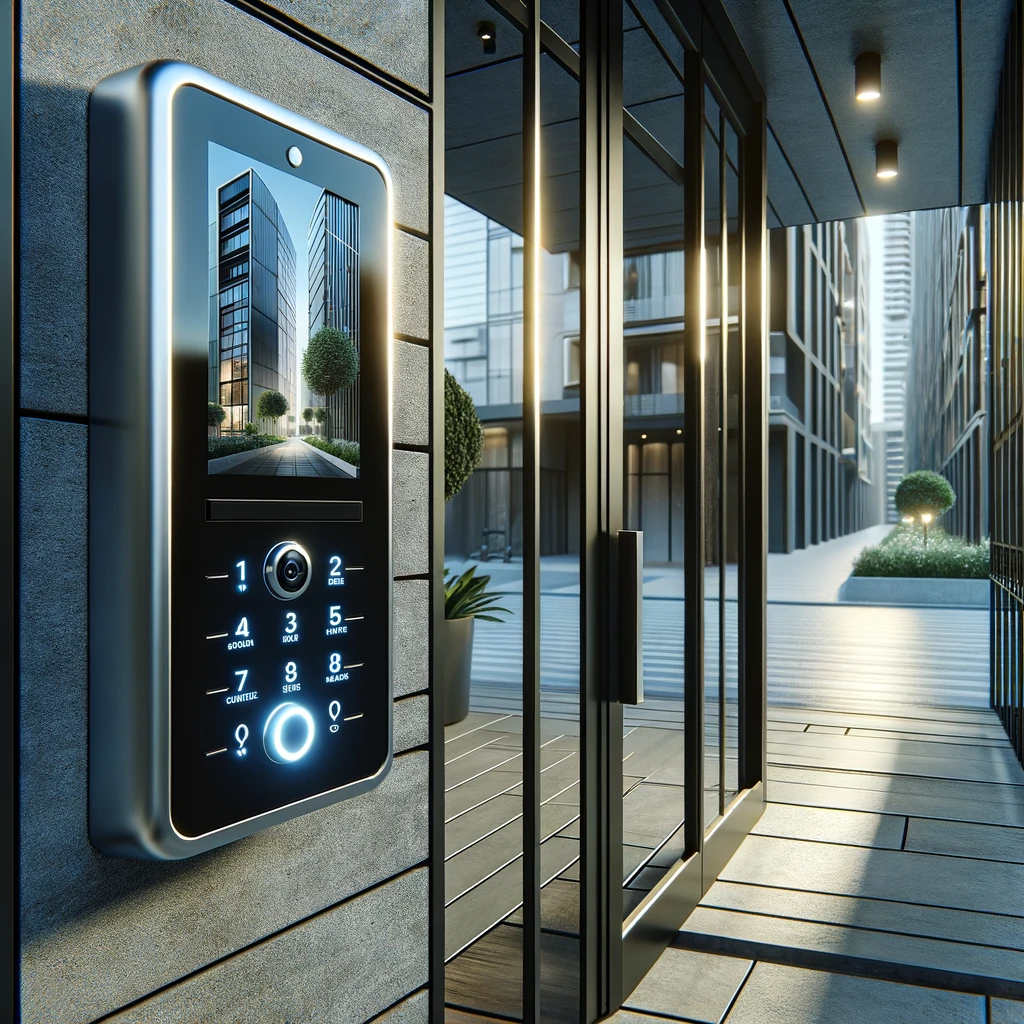
In the dense urban jungles that many of us call home, the security and efficiency of apartment living have never been more paramount. As the first point of contact for residents and visitors alike, door intercom systems in apartment blocks serve a critical role in ensuring both. Gone are the days when a simple buzz-in system sufficed for access control. The technological landscape is shifting, heralding a new era for these essential devices. Let’s delve into the current state of door intercom systems and explore the promising innovations that could redefine our expectations of home security and convenience in the not-so-distant future.
The traditional door intercom, a stalwart of apartment security, has evolved significantly from its humble beginnings. Initially, these systems were no more than a voice communication link between the front door and the resident’s apartment. However, as technology has advanced, so too have these systems, incorporating video capabilities to allow residents to see who is at the door before granting access. These modern systems, often integrated with electronic entry systems, have become a fundamental part of residential security, providing a balance between convenience and control.
In recent years, the rise of smart home technology has ushered in a new wave of innovation in door intercom systems. Today’s intercoms are often part of a larger, connected ecosystem, allowing residents to control access remotely via smartphone apps. This leap in functionality represents a significant shift in how we manage home security, offering unprecedented levels of flexibility and peace of mind. Residents can now grant access to their home while at work or on holiday, monitor deliveries, and even communicate with visitors in real-time, all from their mobile devices.
Looking to the future, the possibilities for door intercom systems are as boundless as the advancements in technology permit. One of the most anticipated developments is the integration of facial recognition technology. Imagine approaching your apartment block and being granted access seamlessly, without the need to search for keys or a smartphone. Such systems would not only enhance security—by ensuring that only registered individuals can gain entry—but also offer an unparalleled level of convenience.
Artificial intelligence (AI) is another frontier set to transform these systems. AI could enable intercoms to make intelligent decisions based on the context of a situation. For example, recognising a resident’s family members and automatically granting them access, or detecting unusual activity at the door and alerting the resident or security services. This intelligent layer of analysis could significantly enhance the security and functionality of apartment living.
However, with these advancements come challenges. Privacy concerns are at the forefront of discussions around the use of facial recognition and AI in residential settings. As we navigate these technological waters, it will be imperative to strike a balance between innovation and safeguarding residents’ privacy rights.
As we stand on the brink of this new era, it’s clear that the future of door intercom systems is bright with potential. These devices, once simple tools for communication and access control, are evolving into sophisticated hubs of security and convenience. As we embrace these innovations, we must also navigate the ethical considerations they bring to ensure that our pursuit of security does not come at the expense of our privacy.


