The Environmental Cost of Convenience: The True Impact of Single-Use Paper Cups in the UK
In the heart of the United Kingdom, a quiet revolution is unfolding in the way we think about something as seemingly innocuous as our morning cup of coffee. The disposable paper cup, a staple of our fast-paced lifestyle, is coming under scrutiny for its environmental footprint. It’s a story that intertwines convenience with ecological impact, where the quest for ease-of-use collides with the imperative for sustainability.
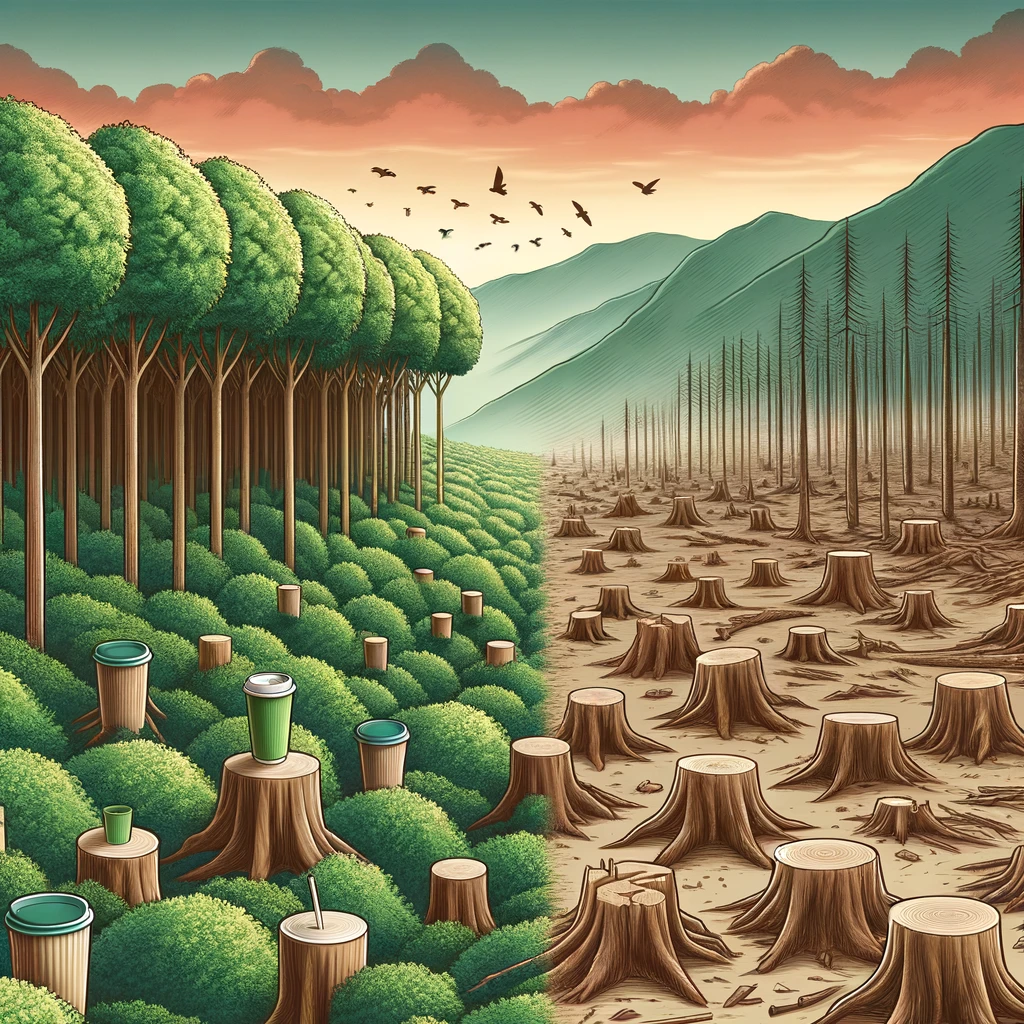
The UK is a nation of coffee lovers. Annual consumption of coffee and other hot beverages served in single-use paper cups is estimated to be in the billions. Each cup, a fleeting companion through our daily routines, represents a sliver of a much larger environmental puzzle. To truly understand the scale of impact, consider the raw materials involved in the production of these ubiquitous vessels. The primary component, paper, necessitates the felling of trees – a resource that is renewable, yet not without its ecological cost.
Forests are the lungs of our planet, playing a crucial role in absorbing carbon dioxide and producing oxygen. They are biodiversity hotspots, home to countless species of flora and fauna. The demand for paper, including that for the production of single-use cups, contributes to deforestation, a process that diminishes these vital green spaces. It’s estimated that millions of trees are cut down each year to feed our disposable culture. This figure is startling when considering the broader implications of deforestation: loss of habitat, reduction in biodiversity, and contribution to climate change.
The production process further compounds the environmental toll. Transforming wood into paper requires significant amounts of water and energy, contributing to pollution and greenhouse gas emissions. And after their brief use, the vast majority of these cups end up in landfills, where they take years to decompose. While some paper cups are touted as recyclable, the reality is more complex due to the polyethylene lining used to waterproof them, complicating their processing in standard recycling facilities.
In recent years, there has been a growing awareness of the impact of single-use paper cups, sparking initiatives aimed at reducing their use. From coffee shops offering discounts for customers who bring their own reusable cups to innovative designs for more easily recyclable cups, the tide is slowly turning. However, the challenge remains significant, requiring a shift in both consumer behaviour and industry practices.
Sustainability is not just about the end product but encompasses the entire lifecycle of the items we use. Alternatives to single-use paper cups, such as reusable cups made from materials like stainless steel, glass, or bamboo, offer a path forward. These options, while initially more resource-intensive to produce, present a lower overall environmental impact through repeated use. The challenge lies in making these alternatives convenient and appealing to the masses, integrating them into our routines as seamlessly as the disposable options they aim to replace.
The journey towards a more sustainable future is complex and multifaceted. It involves rethinking our consumption habits, innovating in materials and design, and fostering a culture that values sustainability. The story of the single-use paper cup in the UK is a microcosm of a global issue, reflecting the broader challenges we face in balancing convenience with environmental stewardship.
As we sip our morning coffee, it’s worth pausing to consider the broader implications of our choices. The shift towards more sustainable practices is not just about individual actions but about collective change. It’s a conversation that is increasingly important as we confront the reality of our environmental impact and seek ways to mitigate it. The humble paper cup, once an emblem of convenience, has become a symbol of the environmental challenges we face and the potential for change.