

Smart Homes: Balancing Convenience with Privacy Concerns
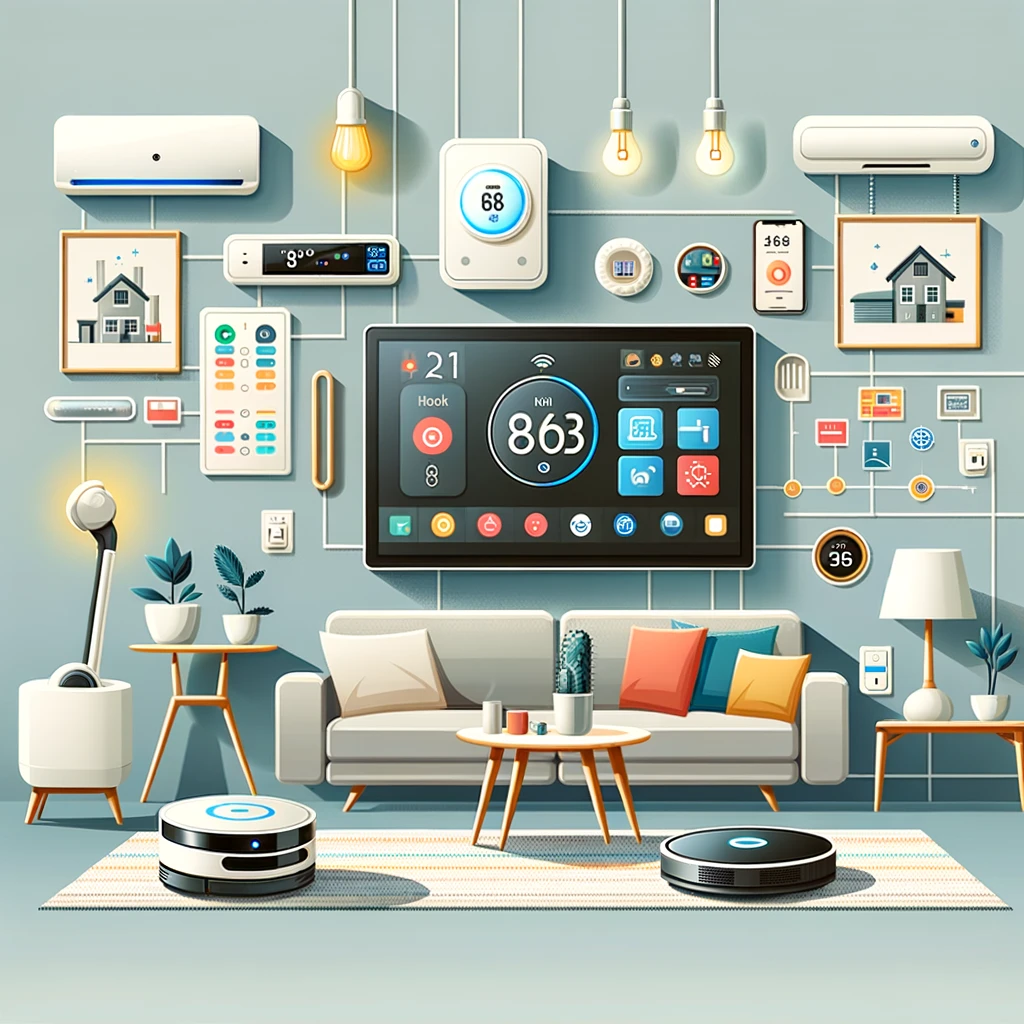
In recent years, the evolution of smart home technology has unfolded at an astonishing pace, redefining the contours of daily living with promises of unmatched convenience, efficiency, and a touch of futurism once reserved for science fiction. As we stand on the cusp of a new era, homes are no longer static environments but dynamic ecosystems that respond intuitively to our needs and desires. Yet, beneath this glossy veneer of technological progress lies a complex tapestry of privacy concerns that challenges our traditional notions of home as our sanctuary.
At the heart of the smart home revolution is the promise of convenience. Imagine waking up to the gentle warmth of a thermostat that knows precisely when to kick in, lights that brighten or dim to match the rhythm of your day, and fridges that remind you when you’re out of milk. This isn’t the future; it’s the present. Smart home devices, through their intricate web of connectivity, offer a level of control and personalisation previously unimaginable. They learn from our habits, making adjustments that not only enhance our comfort but also drive significant energy savings. The allure of a home that anticipates our needs is undeniable, making the smart home proposition increasingly irresistible to consumers worldwide.
However, this digital convenience comes with its own set of trade-offs, primarily concerning privacy. The very technology that empowers these devices to serve us better also makes them a potential trove of personal information. Every interaction with a smart device, from the temperature settings on your thermostat to the times you lock or unlock your smart door, generates data. This data, when pieced together, can paint a remarkably detailed picture of a person’s life and habits. The implications for privacy are profound, raising questions about who has access to this information and how it is used.
The trade-off between convenience and privacy is not a new dilemma, but the stakes are higher in the context of our homes. Companies behind these smart devices often assert that data collection is essential for improving services and offering personalised experiences. Yet, this data collection also opens up avenues for targeted advertising, and potentially more nefariously, surveillance. The idea of a home that watches, listens, and learns from you can feel unsettling, blurring the lines between personalisation and invasion.
Legislation and industry standards around data protection and privacy are evolving, but they often lag behind the rapid pace of technological development. The onus is partially on consumers to navigate these waters, making informed choices about the devices they bring into their homes and understanding the privacy settings and terms of service that govern their use. Yet, this is a hefty burden to place on individuals, suggesting a need for broader systemic changes to ensure that the benefits of smart home technology do not come at the cost of our privacy.
As we look to the future, the trajectory of smart home technology is poised to continue its upward climb, becoming even more integrated into our lives. The potential benefits are immense, from energy efficiency that contributes to a greener planet to accessibility features that make homes more livable for people with disabilities. The challenge lies in navigating this brave new world in a way that preserves our right to privacy and autonomy. Finding a balance between convenience and privacy will be crucial as we forge ahead, ensuring that our homes remain havens of safety and personal sanctuary in an increasingly connected world.


