Micro-Living: Revolutionising Urban Spaces with Minimalism and Efficiency
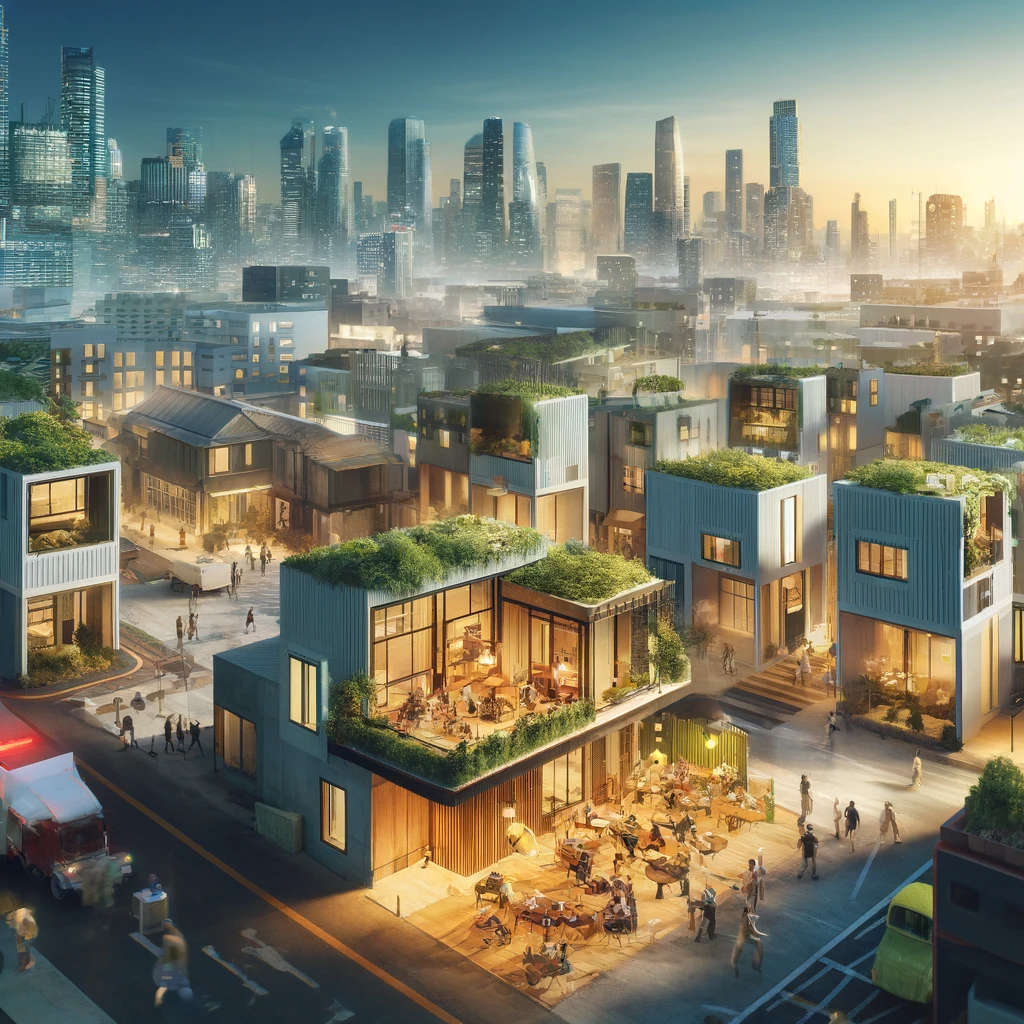
In the heart of bustling cities across the globe, a new trend is reshaping the urban landscape and offering a novel solution to the ever-pressing housing crisis: micro-living. This innovative concept, encompassing micro-apartments and tiny homes, is not merely a response to soaring real estate prices and limited space but also a reflection of changing lifestyle preferences among urban dwellers.
The essence of micro-living lies in its simplicity and efficiency. Micro-apartments, typically ranging from 15 to 35 square metres, are designed to maximise every inch of space. These compact living quarters often come with foldable beds, built-in furniture, and multi-purpose spaces that serve as a living room, bedroom, and office all in one. Tiny homes, on the other hand, though similar in their ethos of minimalism and space efficiency, are freestanding structures that offer a bit more flexibility in terms of design and location.
The rise of micro-living is not just a testament to architectural innovation but also an indication of a societal shift. A growing number of individuals, particularly millennials and Gen Z, are embracing minimalism, sustainability, and the freedom that comes with living a less materialistic lifestyle. This demographic is more inclined to value experiences over possessions, a mindset that fits perfectly with the micro-living philosophy.
But micro-living is more than a personal choice; it’s a practical response to the urban housing shortage. In cities like New York, Tokyo, and London, where the cost of living is exorbitant, micro-apartments offer an affordable alternative to traditional housing. By opting for a smaller space, residents can live in central locations without the burden of excessive rent, thereby enjoying the vibrancy and opportunities city life has to offer.
Sustainability is another cornerstone of the micro-living movement. Tiny homes, in particular, are often built with eco-friendly materials and designed to reduce energy consumption. Many are equipped with solar panels, composting toilets, and rainwater collection systems, making them almost entirely self-sufficient. This emphasis on sustainability not only appeals to environmentally conscious individuals but also contributes to the broader goal of reducing urban areas’ carbon footprint.
Despite its many benefits, micro-living is not without its challenges. The most obvious is the issue of space. Living in such small quarters requires a significant adjustment, with decluttering and organisation becoming essential skills. There’s also the question of social isolation, as the compact nature of micro-apartments can sometimes limit interactions with others. However, many micro-living developments are countering this by incorporating communal spaces, such as rooftop gardens and shared lounges, to foster a sense of community among residents.
As cities continue to grow and evolve, micro-living presents a promising path forward. It offers a sustainable, affordable, and innovative solution to urban housing, while also aligning with the values and preferences of a significant portion of the population. As we move towards a future where space is increasingly at a premium, micro-living not only challenges us to rethink what we need from our homes but also invites us to reimagine the possibilities of urban living.
In a world searching for solutions to the twin challenges of urban densification and sustainability, micro-living emerges as a beacon of innovation. It represents a shift towards a more minimalist, environmentally friendly, and community-oriented way of life, proving that sometimes, less really is more.