

How Will AI Transform Emergency Medical Care?
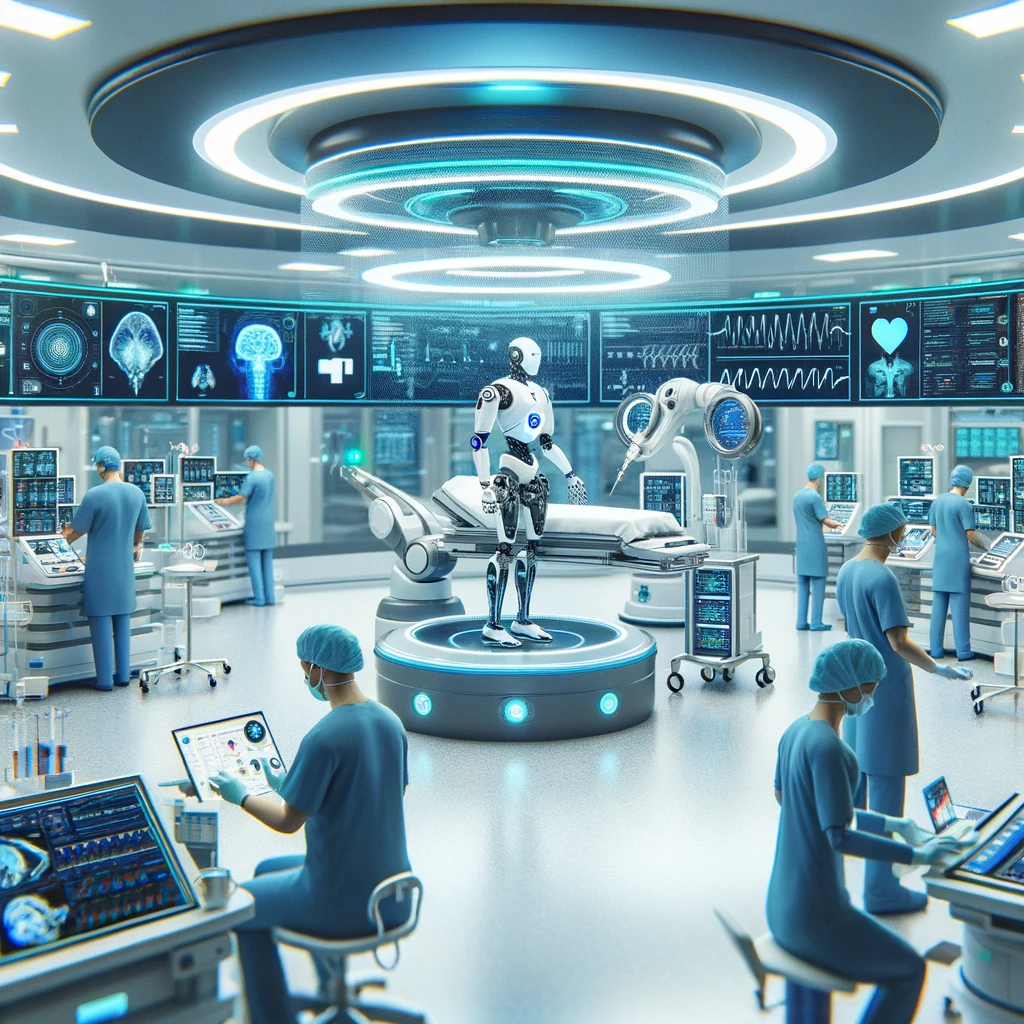
In an era where technology’s rapid advancement continually reshapes our lives, the field of emergency medical care stands on the cusp of a revolution. Artificial Intelligence (AI) promises to transform this critical area, offering new horizons in patient care, diagnostic precision, and treatment efficiency. This exploration into the future of emergency medicine reveals a landscape where AI not only augments human expertise but also pioneers novel approaches to saving lives.
Emergency medical care is inherently high-stakes, demanding rapid decision-making often under intense pressure. The integration of AI into this domain is not about replacing human professionals but enhancing their capabilities. AI algorithms, with their ability to sift through vast datasets in milliseconds, can identify patterns invisible to the human eye. This capacity is pivotal in diagnosing conditions from heart attacks to septic shock more accurately and swiftly, ensuring that patients receive the most effective treatments without delay.
One of the most profound impacts of AI is its potential to revolutionize triage—the process of determining the priority of patients’ treatments based on the severity of their condition. By analyzing patient data in real-time, AI systems can predict more accurately which patients need immediate attention, reducing waiting times and potentially saving more lives. In scenarios where seconds count, such as in stroke or cardiac arrest cases, AI-driven triage could be the difference between recovery and grave outcomes.
Furthermore, AI’s role in predictive analytics extends to anticipating emergency department influxes. By analyzing trends, including seasonal patterns of illnesses, weather-related incidents, or even outbreaks of diseases, AI can forecast periods of high demand. This foresight allows hospitals to allocate resources more efficiently, ensuring that staffing levels and equipment are adequate to meet patient needs.
Telemedicine, powered by AI, also offers a significant leap forward in providing immediate care. Through AI-enhanced platforms, patients can receive preliminary consultations via video calls, where AI algorithms assist in assessing symptoms and advising on the necessity of hospital visits. This capability is invaluable in rural or underserved areas where access to emergency medical facilities is limited. Additionally, AI-driven mobile applications can guide individuals through emergency procedures, such as CPR, before professional help arrives, potentially increasing survival rates in critical situations.
Robotics, an offshoot of AI technology, is set to redefine surgical procedures in emergency care. Surgical robots, guided by AI, can perform precise and minimally invasive surgeries, reducing recovery times and the risk of complications. These robots can operate with a level of precision and consistency that complements the expertise of human surgeons, who remain indispensable for their judgment and ability to respond to unexpected challenges during surgery.
However, the integration of AI into emergency medical care is not without challenges. Data privacy concerns, the need for robust regulatory frameworks, and the imperative of ensuring AI systems are unbiased and equitable are hurdles that must be navigated carefully. Moreover, the success of AI in emergency care depends on the seamless collaboration between technology and healthcare professionals, necessitating ongoing training and adaptation to new tools and methodologies.
The future of emergency medical care, powered by AI, promises not just enhancements in efficiency and effectiveness but a reimagining of what is possible in saving lives. As these technologies evolve, they offer hope for a future where the speed and accuracy of emergency responses are unparalleled, making the golden hour not just a critical window of time, but a period rich with possibilities for recovery and healing.


