

Exploring the Social Dynamics of Co-Working Spaces
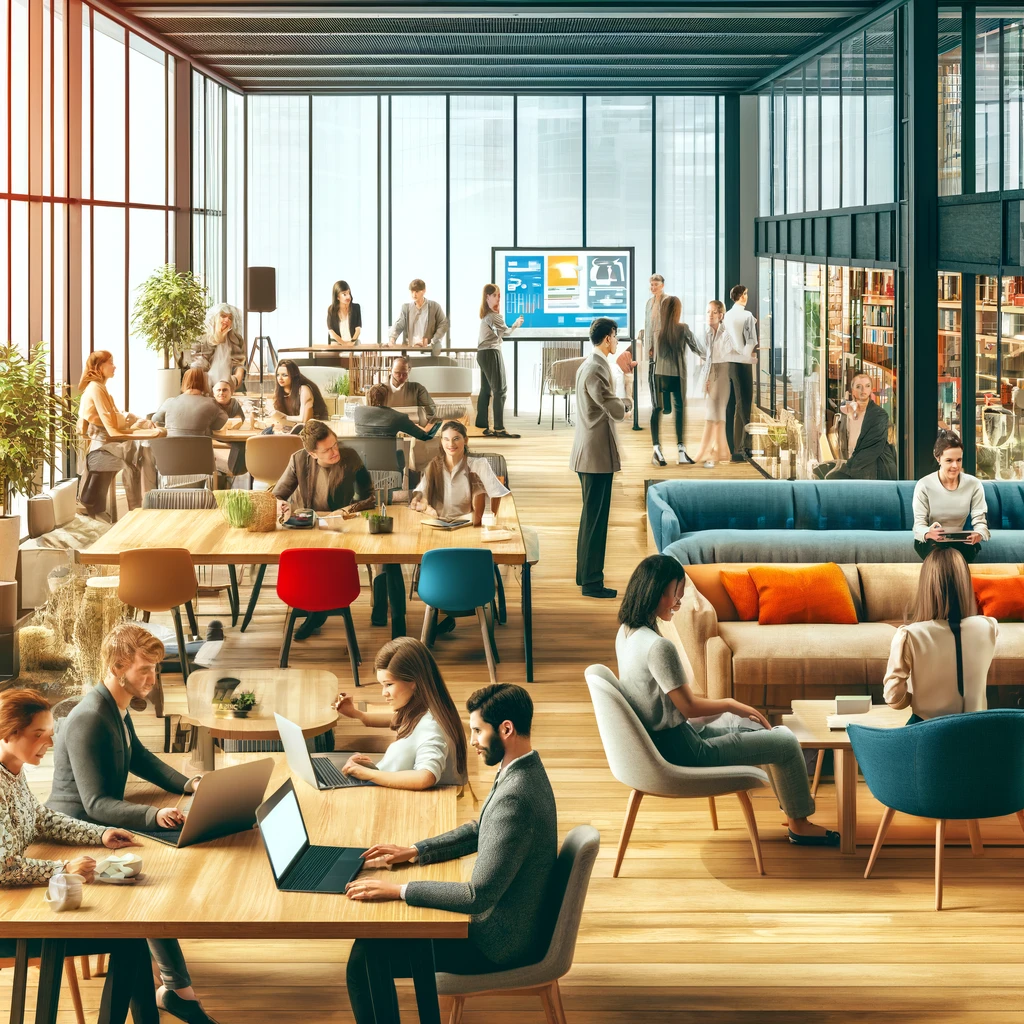
The rise of co-working spaces marks a significant evolution in the way we conceive of and inhabit workspaces. Traditionally, offices were the sole domain of a single company’s staff, where interaction with external professionals was limited to formal meetings or corporate events. However, the modern professional landscape is increasingly defined by flexibility, collaboration, and community—concepts that co-working spaces embody and enhance.
These environments cater particularly well to freelancers and startups. For freelancers, who might otherwise be working from the isolation of a home office or the bustling unpredictability of a café, co-working spaces offer a structured yet flexible working environment. They provide not just a desk, but a suite of office-like amenities such as meeting rooms, high-speed internet, and printing facilities—often accompanied by perks like coffee bars and wellness areas. This setup not only supports professional efficiency but also helps mitigate the loneliness that can come with freelance work.
Startups, too, find a fertile environment in co-working spaces. The cost efficiencies are clear: these spaces eliminate the need for young companies to commit to long-term leases, furnishing an office, or managing utility bills, allowing them to invest more resources into their core business activities. Moreover, being in a dynamic space surrounded by other entrepreneurs fosters a sense of momentum and possibility which is invaluable for a budding business.
Beyond practical benefits, the real value of co-working spaces lies in their role as community hubs. Unlike traditional offices, these spaces are designed to foster interaction and collaboration. Regular networking events, workshops, and social gatherings help cultivate a sense of community among members who might otherwise feel isolated in their entrepreneurial pursuits. This networking can lead to collaborations, exchange of ideas, and even partnerships that might not have occurred in more conventional work settings.
The design of these spaces often reflects their emphasis on community and collaboration. Open layouts that encourage interaction, communal tables, and relaxation areas all serve to make co-working spaces more than just places to work—they become places to connect and grow. This aspect is particularly appealing in an era where networking is often confined to social media and formal business settings.
In a broader sense, co-working spaces represent a shift in societal attitudes towards work. They embody a move away from corporate rigidity and towards a more flexible, open-ended approach that values creativity, community, and well-being. This shift is indicative of broader cultural transformations where work-life balance and job satisfaction are increasingly prioritised.
The social impact of co-working spaces extends even further, influencing urban development and local economies. They often act as anchors in revitalising neighbourhoods, drawing people to local cafes and shops, and boosting the local economy. Their presence can also influence residential property markets, as professionals seek living spaces in proximity to these vibrant work environments.
Co-working spaces do more than just provide a desk and Wi-Fi. They reshape the fabric of work itself, turning workspaces into community spaces and fostering a culture of collaboration and innovation that extends well beyond their walls.

