

Exploring the Future of Renewable Energy: Solar Glass, Wave Converters, and Geothermal Systems
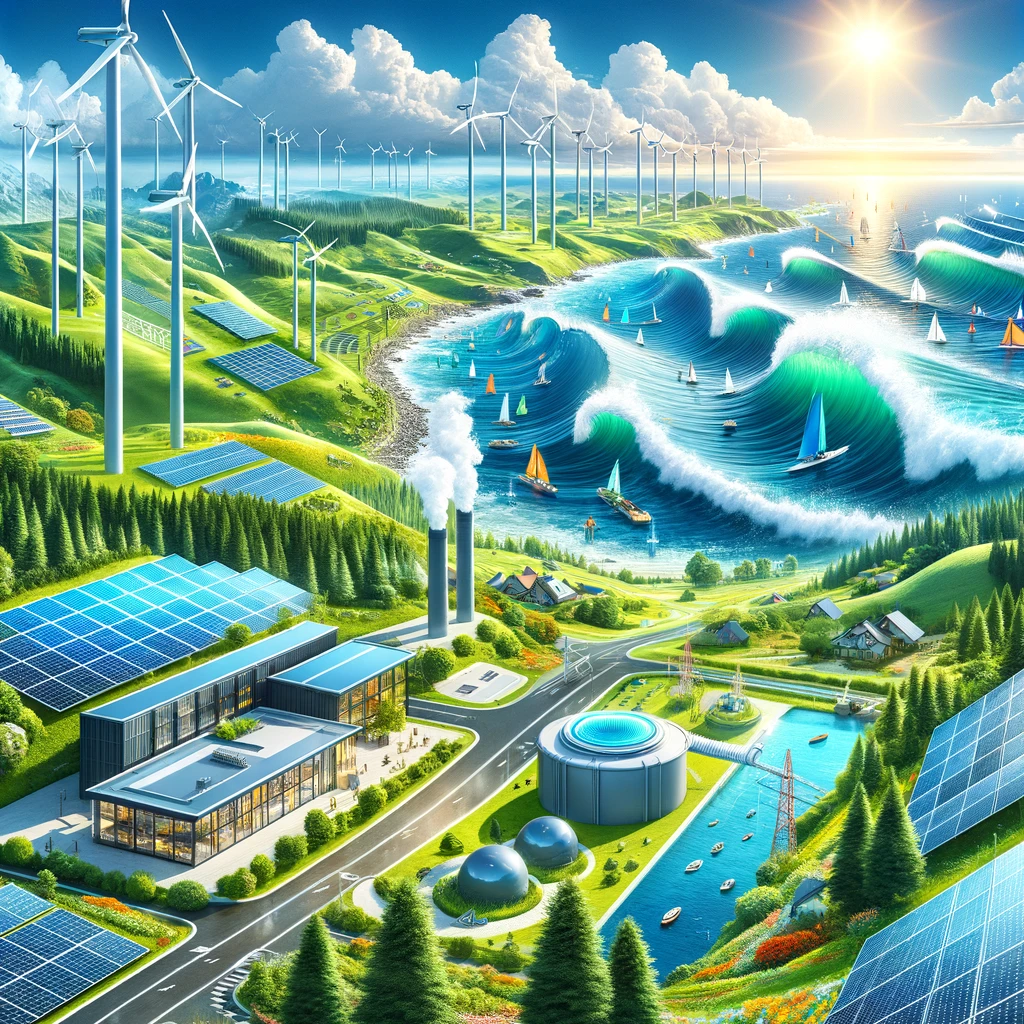
As the world grapples with the pressing need to curb greenhouse gas emissions and transition towards a more sustainable energy landscape, cutting-edge renewable energy technologies emerge as beacons of hope. These innovations promise not only to address environmental concerns but also to revolutionize the energy sector by making renewable sources more efficient, reliable, and integrated into our daily lives. Among the plethora of renewable technologies, solar glass, wave energy converters, and enhanced geothermal systems stand out for their potential to significantly impact our approach to energy generation and consumption.
Solar glass, also known as photovoltaic (PV) glass, represents a remarkable fusion of architectural beauty and energy efficiency. This technology transforms windows and other glass surfaces into power generators, capturing sunlight and converting it into electricity. The beauty of solar glass lies in its dual functionality; it serves as a structural element of buildings while also producing clean energy. Its application in skyscrapers and homes alike could drastically reduce the reliance on traditional energy sources, contributing to a significant decrease in carbon emissions. The integration of solar glass into urban and residential architecture not only aligns with aesthetic values but also propels buildings towards net-zero energy status, a goal where the total amount of energy used by the building on an annual basis is roughly equal to the amount of renewable energy created on the site.
Wave energy converters (WECs) harness the untapped power of ocean waves, a vast and relentless energy source. These devices convert the kinetic energy of waves into electricity, presenting a promising solution to diversify the renewable energy mix. The appeal of wave energy lies in its density; water is 800 times denser than air, making wave energy significantly more energy-rich than wind. WECs come in various designs, including point absorbers, attenuators, and oscillating water columns, each tailored to capture wave energy efficiently. Despite the challenges of marine environments, such as corrosion and storm damage, advances in materials science and engineering are enhancing the durability and efficiency of WECs. The successful integration of wave energy into the renewable portfolio could significantly contribute to global energy demands while reducing the impact on marine ecosystems.
Enhanced geothermal systems (EGS) take geothermal energy to new depths—literally. Unlike traditional geothermal resources, which require natural reservoirs of hot water, EGS technologies create reservoirs in hot, dry rock formations deep underground. By injecting water into these formations, EGS facilities can harness the Earth’s heat to generate electricity. This method of energy production is not only clean but also continuous, providing a stable power supply irrespective of weather conditions. The potential of EGS is vast, with the ability to access the Earth’s abundant heat resources. However, the development of EGS faces challenges, including the high costs of drilling and the need for advanced technology to manage the induced seismicity. Nevertheless, ongoing research and pilot projects worldwide are paving the way for EGS to become a cornerstone of the renewable energy landscape.
As we look towards a future powered by renewable energy, the integration of technologies like solar glass, wave energy converters, and enhanced geothermal systems into our energy mix presents an exciting prospect. These technologies not only exemplify the innovation driving the renewable sector forward but also highlight the diverse approaches being explored to harness nature’s power. With continued investment and research, these cutting-edge technologies have the potential to revolutionize the energy sector, bringing us closer to a sustainable and carbon-neutral future.


