Beyond the Bean: The Complex Journey from Farm to Cup
The aroma of freshly brewed coffee is a universally cherished wake-up call, a signal that the day has begun. Yet, the journey of coffee beans from verdant farms to our cups is complex, fraught with challenges and underscored by the dedication of countless individuals. The narrative of coffee production is not just about the beans; it involves intricate processes, sustainability issues, and the lives of the growers themselves. This exploration seeks to shed light on the journey of coffee, from its origins on the farm to the final brew, highlighting the hurdles of sustainable production and its impacts on growers.
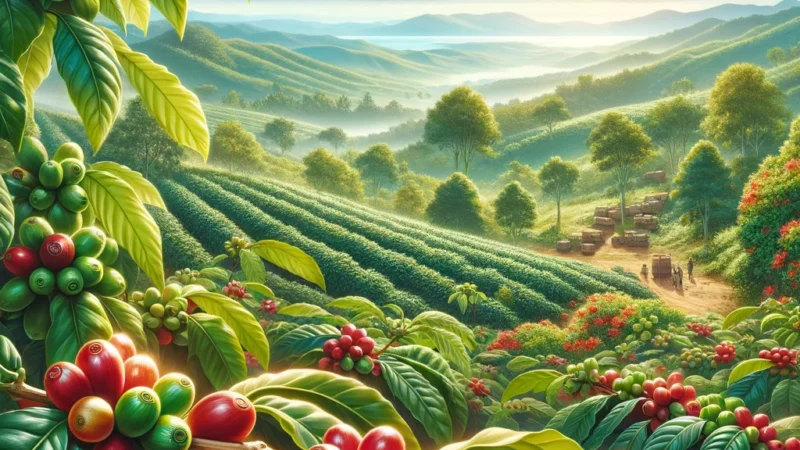
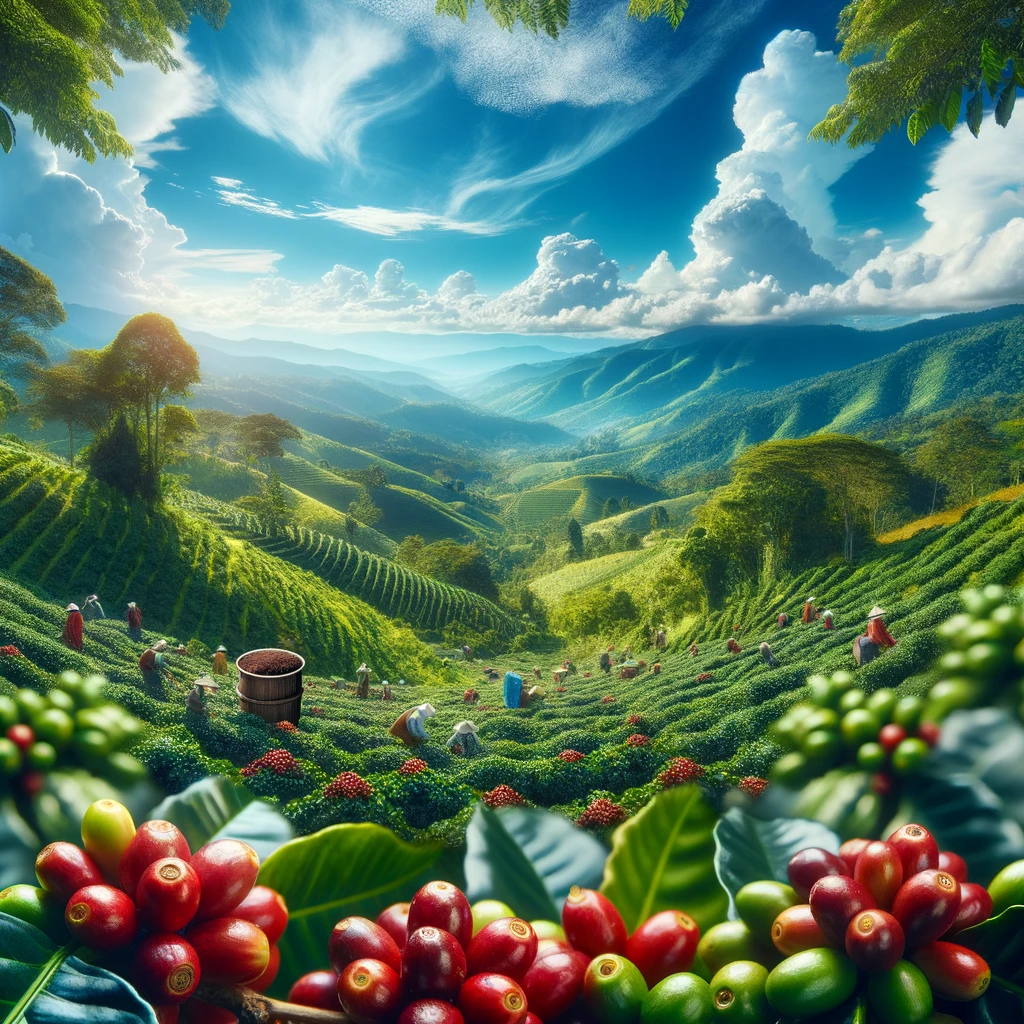
Coffee’s journey begins in the equatorial belt, where the climate conditions are perfect for its cultivation. Countries in Latin America, Africa, and Asia dominate the world’s coffee production, each offering unique flavors and nuances to their beans. The initial step, coffee farming, is both labor-intensive and time-consuming, requiring a deep understanding of the land and its climate. Farmers must nurture the coffee plants for years before they can harvest their first crops. This period is crucial, as it sets the foundation for the quality of the coffee beans.
Once the coffee cherries are ripe, they are meticulously picked, often by hand, to ensure that only the best cherries make it to the next stage. Following harvest, the cherries undergo processing, a critical step where the beans are separated from the pulp. The method of processing, whether it’s washed, natural, or honey, significantly influences the bean’s final taste profile. After processing, the beans are dried, sorted, and often exported to countries where they will be roasted and brewed.
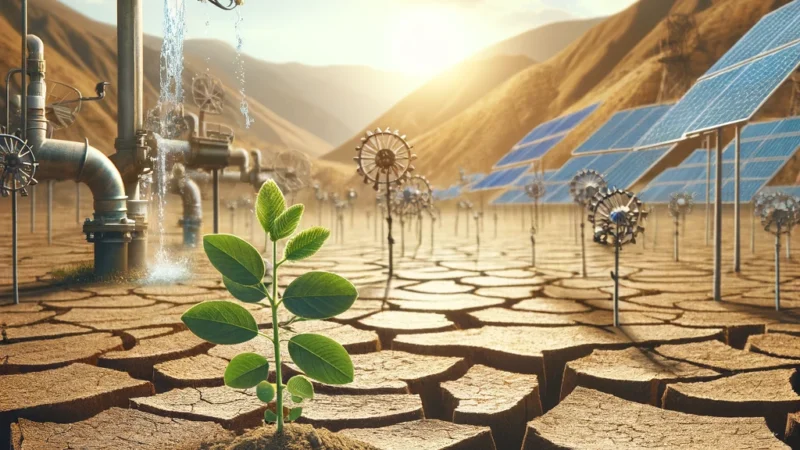
The global coffee industry faces significant challenges, particularly in terms of sustainability. The demand for coffee continues to grow, putting pressure on farmers to increase yield without compromising the environment or the quality of their beans. Climate change poses a significant threat to coffee production, with rising temperatures and changing rainfall patterns affecting crop yields and quality. Moreover, the majority of coffee farmers operate on a small scale, and the fluctuating prices of coffee beans in the global market can significantly impact their livelihoods. Ensuring fair compensation and supporting sustainable farming practices are crucial steps toward a more equitable coffee industry.
Sustainability in coffee production also involves reducing water usage, minimizing the use of pesticides and fertilizers, and implementing practices that preserve biodiversity. Many coffee producers are turning to organic farming methods and shade-grown coffee, which not only benefit the environment but often result in higher-quality beans. Certifications like Fair Trade, Rainforest Alliance, and Organic have emerged as markers of sustainably and ethically produced coffee, offering consumers a choice to support responsible coffee production.
The impact on growers is profound. For many, coffee farming is not just a livelihood but a tradition passed down through generations. The challenges they face from environmental pressures to market dynamics, shape their communities and ways of life. Initiatives that focus on improving the lives of coffee farmers, from educational programs to infrastructure development, are integral to the sustainability of the coffee industry. These efforts ensure that the growers are equipped to adapt to the changing landscape of coffee production, securing their future and the future of coffee.
As consumers, our choices have power. By opting for sustainably sourced coffee, we contribute to a demand that can drive positive change throughout the supply chain. Understanding the journey of coffee, from the farm to our cups, allows us to appreciate not only the beverage itself but also the collective effort that goes into its production. The story of coffee is a complex tapestry woven from the lives of those who cultivate it, the environmental challenges they navigate, and the global community they serve.
In embracing the bean’s journey, we find a reflection of our interconnected world, a reminder of the small choices that can have a profound impact on the environment and on lives far from our own. The next time we savor a cup of coffee, let it be a moment to contemplate the myriad stories that have converged in that simple pleasure, fostering a deeper connection not only to our favorite beverage but to the global community that brings it to us.