

Wordle: How a Simple Word Puzzle Became a Daily Digital Ritual
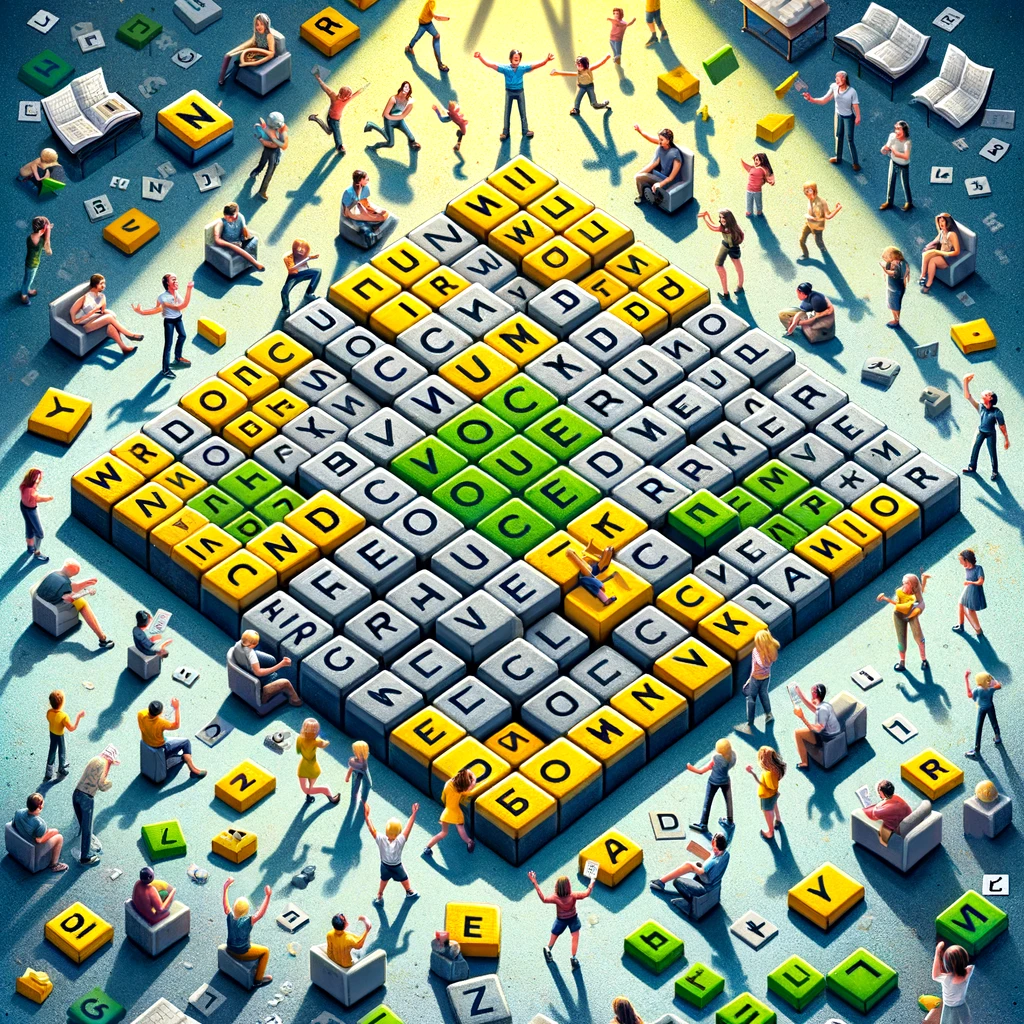
In an age where digital distractions are numerous and often fleeting, there exists a simple yet captivating puzzle game that has managed to capture the imaginations of millions around the globe. Wordle, a deceptively straightforward word puzzle game, has emerged as a daily ritual for people of all ages, becoming a staple of digital leisure. This phenomenon invites players into a world of words where logic, vocabulary, and a bit of luck converge to offer a unique challenge each day.
The premise of Wordle is simple: players are given six attempts to guess a five-letter word. Each guess provides feedback in the form of coloured tiles, indicating how close the guess is to the word of the day. Correct letters in the right position turn green, correct letters in the wrong spot turn yellow, and letters not in the word at all turn grey. This feedback loop not only sharpens one’s ability to recognize and remember words but also introduces a strategic element to the game. Players must use deduction and linguistic intuition to narrow down the possibilities, making each victory a testament to their word prowess.
What sets Wordle apart from other online distractions is its charming simplicity combined with the communal aspect of sharing outcomes without spoiling the solution. In an era dominated by high-definition graphics and complex narratives, Wordle’s minimalist design stands out. It’s a return to basics, where the joy comes not from eye-popping visuals or adrenaline-pumping action but from the cerebral satisfaction of solving a puzzle.
Moreover, Wordle has fostered a sense of community among its players. Social media feeds are often filled with posts of daily achievements, marked by rows of coloured squares that, to the uninitiated, may seem cryptic. Yet, to those who play, these squares represent a shared experience, a conversation starter, and a bond over the love of words. Families and friends challenge each other, celebrating victories and lamenting near misses, making Wordle not just a game but a communal activity that transcends geographical boundaries.
The game’s appeal lies in its accessibility and the universality of language. It doesn’t require extensive gaming skills, making it welcoming to a broad audience, from young children expanding their vocabulary to older adults keeping their minds sharp. Its once-a-day format creates a routine that players look forward to, offering a brief but engaging escape from the daily grind.
Wordle’s success has also inspired a plethora of variations, catering to a wide array of interests and languages. From musical versions that challenge players to guess a song based on its melody to math-based puzzles for the numerically inclined, these offshoots underline the versatility and universal appeal of the original concept. Yet, despite the myriad versions, the original Wordle retains its charm, standing as a testament to the power of a simple idea executed well.
As digital experiences continue to evolve, the enduring popularity of Wordle is a reminder that sometimes, less is indeed more. In a world that often values complexity and speed, Wordle celebrates thoughtfulness, patience, and the joy of discovery. It’s a daily reminder of the beauty of language and the shared human delight in solving puzzles, making Wordle not just a game but a cultural touchstone for the digital age.


