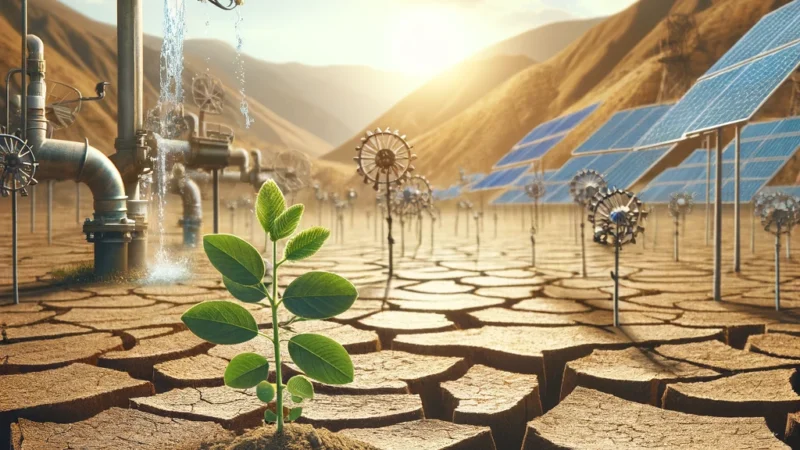
Tapping the Seas: The Complex Journey of Transforming Sea Water into Drinking Water
In recent years, the quest for fresh water has become a critical issue facing our planet. With over 70% of the Earth’s surface covered by oceans, the concept of converting sea water into drinking water through desalination has emerged as a promising solution. However, the process is not as simple as it might appear at first glance. Desalination involves complex technical procedures, significant energy requirements, and the challenge of dealing with various contaminants. As we delve into the intricacies of this process, it’s crucial to understand both its potential and its limitations.
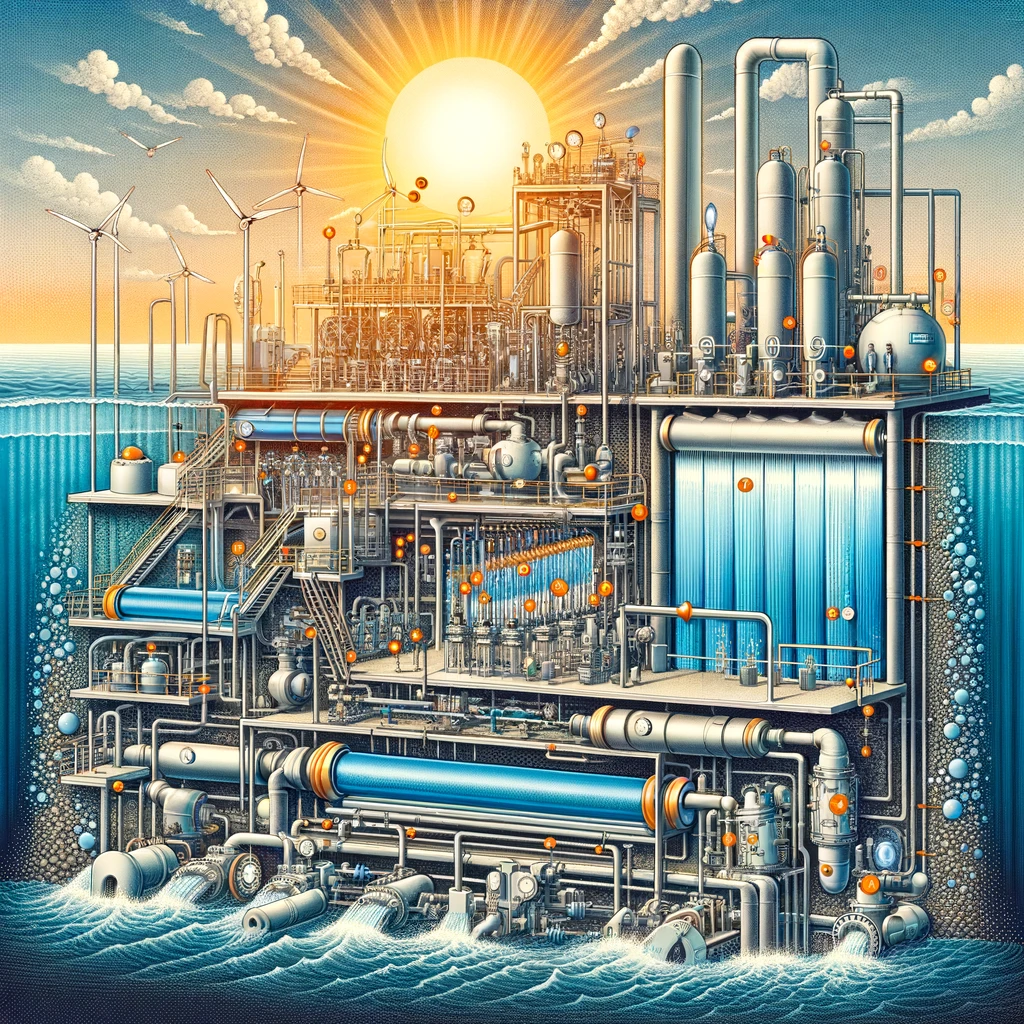
Desalination, at its core, is the process of removing salt and other minerals from sea water to make it suitable for human consumption and irrigation. The two most commonly used methods are reverse osmosis and thermal distillation. Reverse osmosis forces sea water through a semi-permeable membrane that filters out salts and other impurities. Thermal distillation, on the other hand, involves heating sea water to produce steam, which is then condensed into fresh water, leaving the salts and other minerals behind.
One of the primary challenges of desalination is the sheer amount of energy it requires. Reverse osmosis, while being more energy-efficient than thermal distillation, still demands significant power inputs. The energy consumption is directly tied to the cost of producing fresh water, making desalination an expensive option compared to traditional water sources like rivers and lakes. This high cost has historically limited the use of desalination to regions with scarce freshwater resources and the financial means to support such projects.
Furthermore, the process of desalination brings with it the challenge of dealing with other contaminants. Sea water contains not just salt, but also a variety of biological and chemical substances, including bacteria, viruses, heavy metals, and microplastics. These contaminants require additional treatment steps, further increasing the complexity and cost of the desalination process.
Another environmental concern associated with desalination is the disposal of brine, the highly concentrated salt solution left over after fresh water is extracted. Discharging brine back into the ocean can harm marine ecosystems, leading to increased salinity levels and disrupting local aquatic life. Innovative solutions for brine management are being explored, such as using it in aquaculture, extracting minerals for commercial use, or even mixing it with treated wastewater to reduce its salinity before discharge.
Despite these challenges, advancements in technology and growing water scarcity have made desalination an increasingly viable option for addressing the world’s fresh water needs. Countries like Saudi Arabia, Israel, and Australia have invested heavily in desalination plants, demonstrating the potential of this technology to provide a steady supply of fresh water in arid regions. Moreover, research into renewable energy-powered desalination offers hope for reducing the carbon footprint of fresh water production, making it a more sustainable option in the long term.
While desalination presents a promising solution to the global water crisis, it is not without its challenges. The process requires significant energy, involves complex treatment of various contaminants, and raises environmental concerns regarding brine disposal. However, with continued technological advancements and the exploration of renewable energy sources, desalination could play a crucial role in ensuring a sustainable supply of fresh water for regions facing water scarcity. The journey towards wide-scale adoption of desalination is complex, but the potential rewards make it a path worth exploring.