

The Future of Cancer Treatment: A Glimpse into Tomorrow’s Innovations
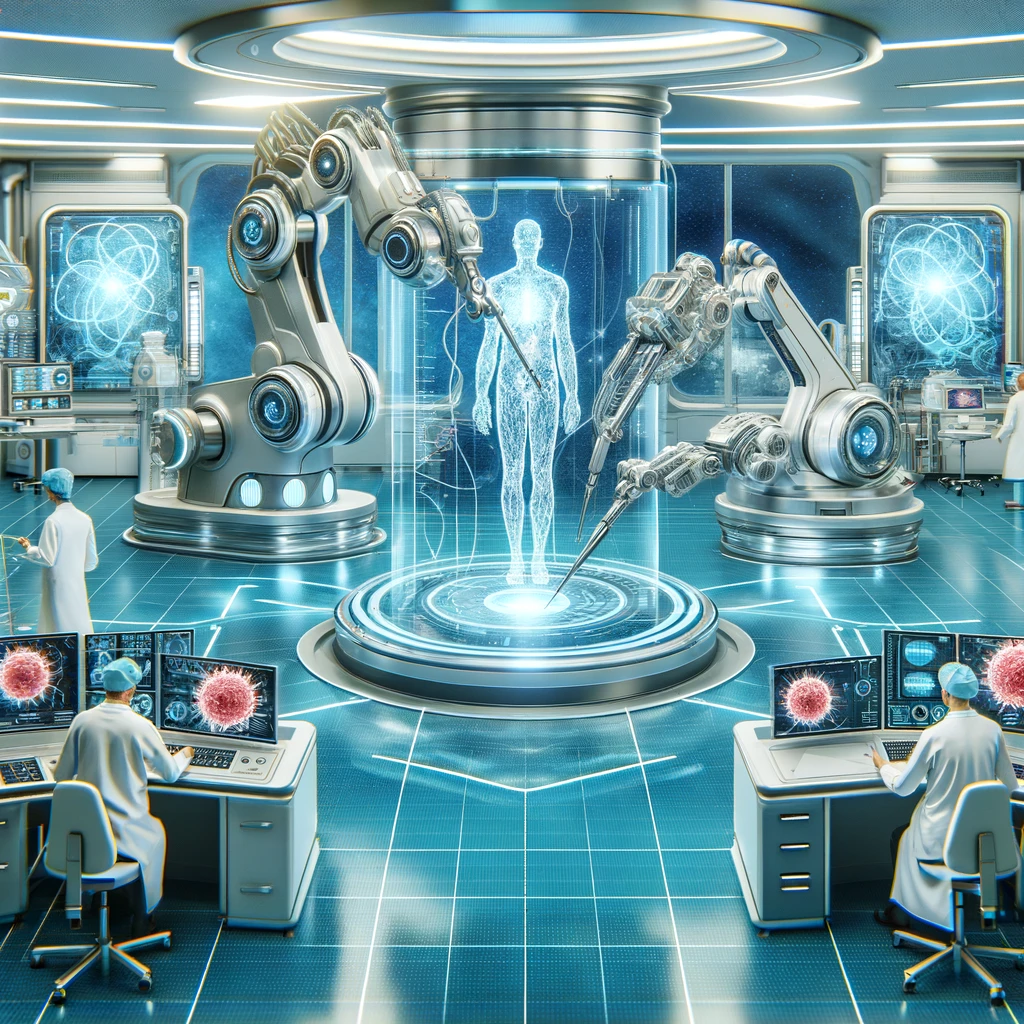
The landscape of cancer treatment has evolved remarkably over the decades, transitioning from the rudimentary use of surgery and radiation to the precision of targeted therapy and immunotherapy. Yet, the journey is far from over. As we peer into the future, the horizon of cancer treatment brims with promise, integrating cutting-edge technologies and novel approaches that aim to transform the paradigm of cancer care.
Conventional treatments like surgery, chemotherapy, and radiation therapy have been the backbone of cancer treatment for years. These methods, while effective for many, often come with a range of side effects and limitations. Surgery, though often curative, can be invasive and risky, particularly for cancers in complex or sensitive areas. Chemotherapy, while potent against cancer cells, indiscriminately affects rapidly dividing cells, leading to widespread side effects. Radiation therapy, targeted yet still somewhat indiscriminate, can damage surrounding healthy tissues.
In contrast, the future of cancer treatment is shaping up to be highly personalized, minimally invasive, and far more efficient. Advances in genomic sequencing and precision medicine are paving the way for treatments tailored to the individual genetic makeup of a patient’s tumor, ensuring that therapies are more effective and less toxic. Immunotherapy, which leverages the body’s immune system to fight cancer, has already shown promise in treating certain types of cancer and is expected to become even more effective as researchers better understand how to stimulate the immune system without overwhelming it.
One of the most exciting frontiers in cancer treatment is the realm of CAR-T cell therapy, a form of immunotherapy where a patient’s T cells are genetically modified in the lab to better recognize and attack cancer cells. Though currently available for certain blood cancers, ongoing research aims to expand its application to solid tumors. Another groundbreaking area is the use of oncolytic viruses, genetically engineered viruses that selectively infect and kill cancer cells while sparing healthy ones, potentially offering a new avenue for treatment with fewer side effects.
Nanotechnology also holds significant promise for the future of cancer treatments. Nanoparticles can be engineered to deliver drugs directly to the tumor site, enhancing the efficacy of chemotherapy while minimizing its systemic side effects. Moreover, nanoparticles can be designed to release their payload in response to specific stimuli within the tumor environment, further increasing the precision of treatment.
Artificial intelligence (AI) and machine learning are set to revolutionize cancer care by improving the accuracy of diagnostics, predicting treatment outcomes, and personalizing therapy plans. AI-driven platforms can analyze vast datasets from genomic information, medical imaging, and patient records to identify patterns and predict which treatments are most likely to be effective for individual patients.
Additionally, the field of cancer vaccines, both preventive and therapeutic, is expanding. Preventive vaccines against cancer-causing viruses like HPV have already made a significant impact, and research into therapeutic vaccines that can train the immune system to attack cancer cells is ongoing. These vaccines aim to prime the immune system to recognize and destroy cancer cells, offering a potentially powerful weapon against cancer.
The integration of these advanced treatments with traditional methods promises a future where cancer treatment is not only more effective but also less debilitating for patients. The vision of a future where cancer is a manageable, and perhaps even curable, condition is becoming increasingly tangible. As researchers continue to unlock the mysteries of cancer and harness the power of technology, the dream of personalized, efficient, and less invasive cancer treatment is inching closer to reality.


