The Greening of Urban Jungles: How Urban Gardening Is Transforming Cities
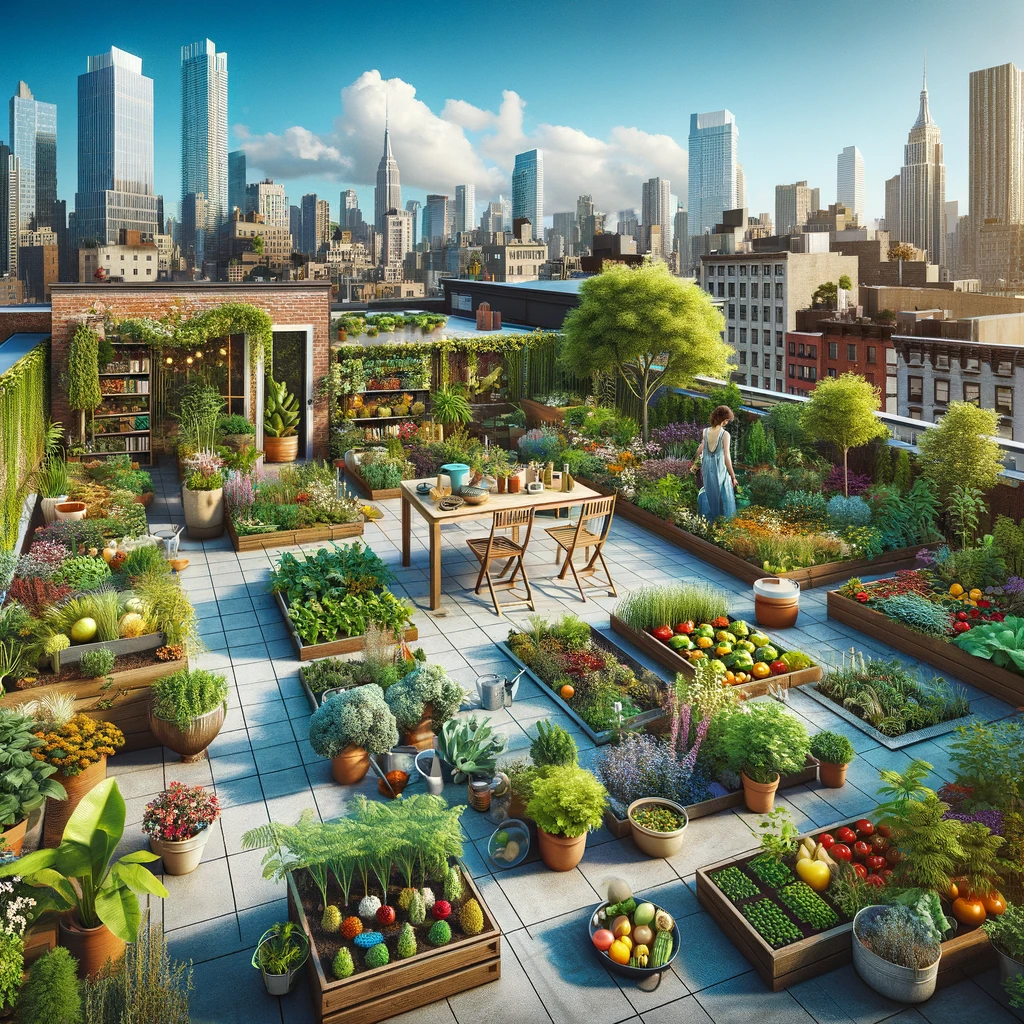
In the heart of the concrete jungle, amidst the towering skyscrapers and bustling streets, a quiet revolution is taking root. Urban gardening, a practice as ancient as cities themselves, is experiencing a renaissance. City dwellers across the globe are transforming rooftops, balconies, and even window sills into verdant oases. This growing trend is not just about beautifying urban spaces; it’s a movement towards sustainability, community building, and rekindling our connection with nature.
The rise of urban gardening is a response to multiple factors, including the increasing awareness of environmental issues, the need for personal well-being, and the desire for self-sufficiency. In cities where green space is often scarce, creating gardens in small or unconventional spaces offers a breath of fresh air. These gardens vary in size and style, from simple herb pots on kitchen windowsills to elaborate rooftop gardens teeming with a variety of vegetables, fruits, and flowers. The ingenuity of urban gardeners knows no bounds, as they utilize vertical gardens, hydroponics, and community plots to make the most of limited space.
The benefits of urban gardening extend beyond the personal satisfaction of growing one’s own food or beautifying a space. They have a profound impact on local communities and urban environments. These green spaces act as mini-oases, improving air quality and reducing urban heat islands, which can significantly lower temperatures in built-up areas. Moreover, they promote biodiversity by providing habitats for a variety of birds, insects, and other wildlife, creating pockets of nature in an otherwise artificial landscape.
Community gardens, in particular, foster a sense of belonging and collective responsibility. They are not just plots of land but communal spaces where knowledge, resources, and produce are shared. They bring together people from diverse backgrounds, encouraging social interaction and creating bonds within communities. Through these gardens, residents can learn about sustainable gardening practices, food security, and environmental conservation.
The environmental impact of urban gardening is equally significant. By growing food locally, these gardens reduce the carbon footprint associated with transporting produce from farms to supermarkets. They also offer an opportunity to educate urban populations about the origins of their food and the importance of sustainable agriculture. Furthermore, the use of composting in urban gardens promotes recycling of organic waste, turning kitchen scraps into valuable fertilizer, and reducing the amount of waste sent to landfills.
Despite its many benefits, urban gardening faces challenges. Access to space, water, and sunlight can be limited in densely populated areas. Moreover, pollution and the potential for soil contamination are concerns that urban gardeners must navigate. However, the creativity and resilience of city dwellers have led to innovative solutions, such as the use of raised beds, container gardening, and community-supported initiatives to overcome these obstacles.
As we move forward, the role of urban gardening in shaping sustainable, resilient, and vibrant cities cannot be understated. It represents a shift towards a more environmentally conscious urban development, where green spaces play a crucial role in the health and well-being of communities. By reclaiming small pieces of the urban landscape for nature, city dwellers are not only enhancing their quality of life but are also contributing to the greater good of the planet.
Urban gardening is more than a trend; it is a lifestyle choice that reflects a growing awareness of our impact on the environment and a commitment to making a positive change. It offers a pathway towards a more sustainable and connected urban future, where green spaces thrive amidst the concrete and steel. As this movement grows, it inspires hope for a greener, more harmonious world, one garden at a time.