

From Guiding the Blind to Assisting with Disabilities: The Evolution of Assistance Dogs
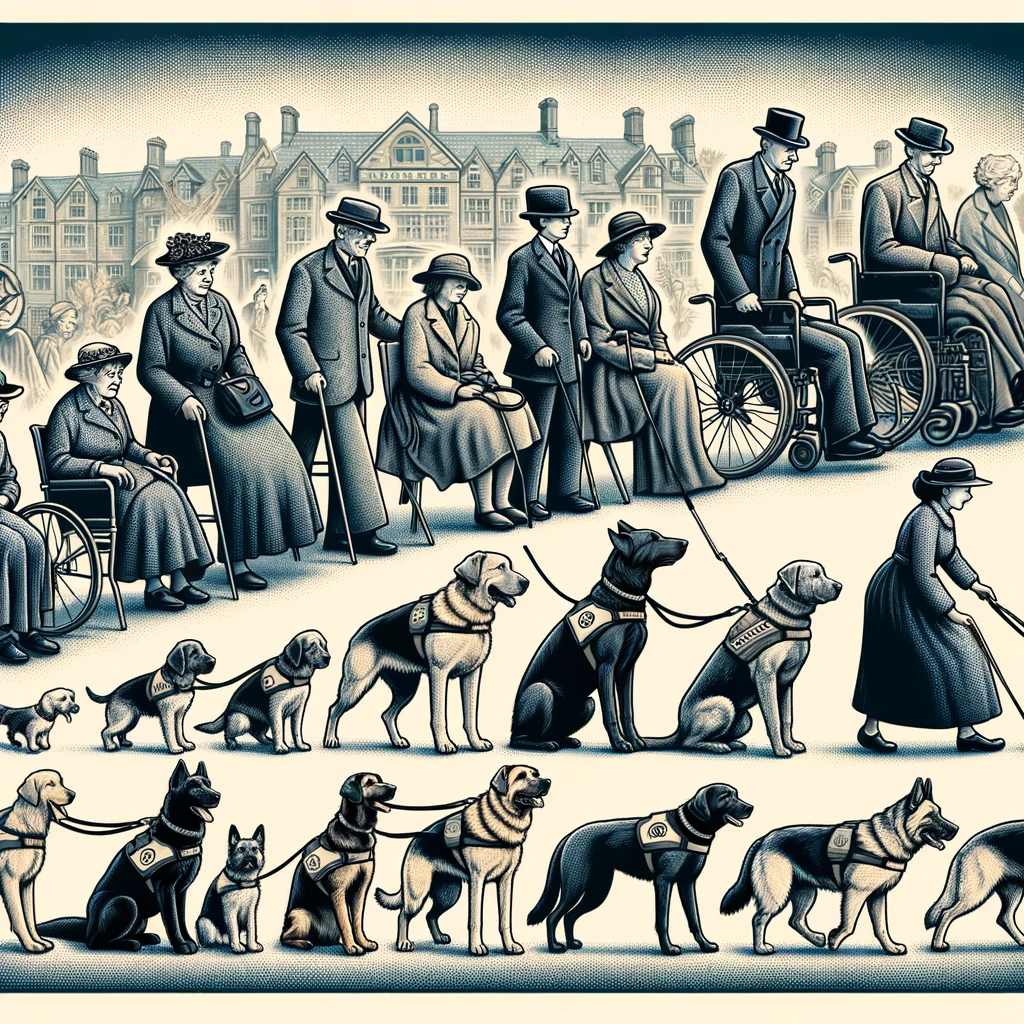
The relationship between humans and dogs stretches back thousands of years, but the organized training of guide dogs for the blind marks a relatively recent chapter in this long history. The inception of guide dogs as we understand them today can be traced back to the aftermath of World War I, a period that saw many soldiers returning home with significant injuries, including vision loss. This era catalyzed the development of a systematic approach to training dogs to assist visually impaired individuals, fundamentally transforming the lives of many.
The first guide dog training schools were established in Germany during the early 1920s, primarily to aid blinded war veterans. The success of these programs quickly garnered international attention, leading to the opening of similar facilities around the world. In 1929, the United States welcomed its first guide dog school, The Seeing Eye, which has since become synonymous with the training of guide dogs and has inspired numerous other organizations globally.
The fundamental principle behind the training of guide dogs is to foster a strong bond between the dog and its handler, enabling the pair to navigate the complexities of the modern world safely. The dogs are trained to lead their handlers around obstacles, through traffic, and across various terrains, offering not just physical guidance but also companionship and an increased sense of independence.
Over time, the role of assistance dogs has expanded significantly beyond guiding the visually impaired. Today, these remarkable animals are trained to meet the needs of individuals with a wide range of disabilities and conditions. This includes hearing dogs for the deaf, mobility assistance dogs, and dogs trained to support individuals with autism, epilepsy, and even those experiencing severe anxiety or PTSD. Each type of assistance dog undergoes specialized training to suit the specific requirements of their handler’s condition, demonstrating the versatility and adaptability of dogs as companions and helpers.
The training methodologies for assistance dogs have evolved alongside their expanding roles. Modern training techniques emphasize positive reinforcement, with a focus on building a trusting and mutually respectful relationship between the dog and its handler. This approach not only ensures the effectiveness of the dog in its assistance role but also guarantees the welfare and happiness of the animal.
Assistance dogs have also become a significant part of discussions surrounding accessibility and rights for individuals with disabilities. Many countries have enacted legislation to ensure that assistance dogs are allowed to accompany their handlers in public spaces, including restaurants, shops, and on public transport. This legal recognition underscores the essential role these animals play in the lives of those they assist, highlighting the societal shift towards inclusivity and support for individuals with disabilities.
The future of assistance dogs holds promising developments, with ongoing research and innovation aimed at enhancing their training and capabilities. Technologies such as GPS and smart harnesses are being explored to augment the abilities of guide dogs, potentially offering even greater independence and safety for their handlers. Additionally, the recognition of the psychological benefits of assistance dogs has led to a broader understanding of the human-animal bond, further cementing their value not only as helpers but as integral parts of their handlers’ lives.
The history of guide dogs for the blind and the evolution of assistance dogs for other disabilities is a testament to the incredible bond between humans and dogs. It reflects our ongoing journey towards a more inclusive society, where the needs of individuals with disabilities are acknowledged and met with innovation, compassion, and the unique support that only these devoted animals can provide.


