Blur: A Symphony of Success, Struggle, and Survival in Britpop
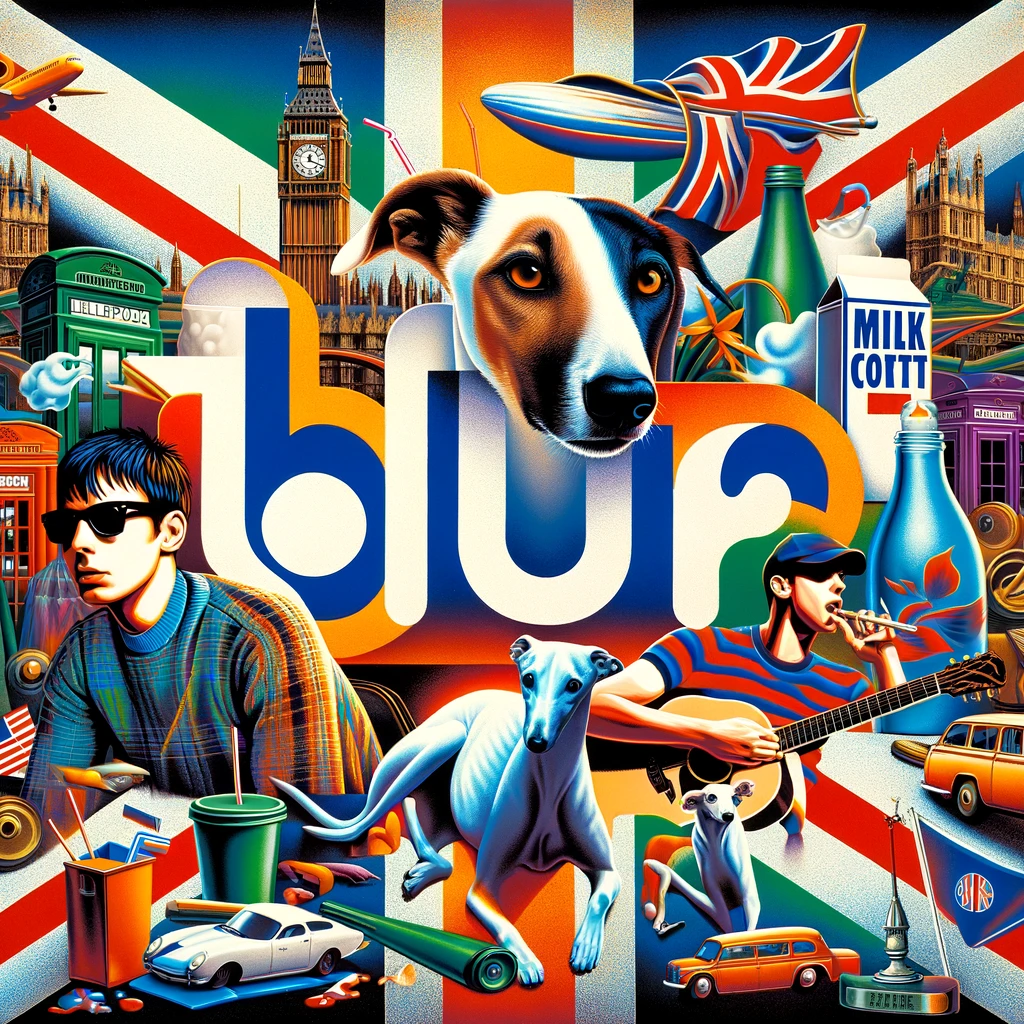
The story of Blur is one that encapsulates the highs and lows of rock stardom, mirroring the volatile nature of the music industry and the ever-changing tastes of the public. Emerging from the late 80s London music scene, Blur became one of the leading bands of the Britpop movement, defining a generation with their jangly guitars, witty lyrics, and quintessentially British sensibility. Their journey from obscurity to stardom and eventually to their individual pursuits beyond the band paints a vivid picture of creativity, conflict, and evolution.
The formation of Blur in 1988 marked the beginning of a new chapter in British music. Initially named Seymour, the band’s early music was a blend of indie rock and pop, but it was their rebranding to Blur and the release of their debut album, “Leisure,” in 1991 that set the stage for their ascent. With the Britpop movement gaining momentum, Blur found themselves at the forefront, alongside rivals Oasis, in what would become one of the most publicized chart battles in UK music history.
The mid-90s saw Blur achieving massive success, particularly with their third album, “Parklife,” released in 1994. The album was a cultural landmark, capturing the zeitgeist of 90s Britain with its mix of pop sensibilities and social commentary. Songs like “Girls & Boys” and the title track “Parklife” became anthems of the era, earning the band critical acclaim and a legion of fans.
However, the intense spotlight and pressures of fame began to take their toll on the band. The well-documented rivalry with Oasis, culminating in the chart battle of 1995, where Blur’s “Country House” went head-to-head with Oasis’s “Roll With It,” exemplified the peak of Britpop’s commercial frenzy. While Blur won the battle, the war of Britpop took its toll, leading to internal strife and a shift in musical direction.
In the late 90s and early 2000s, Blur began to experiment with their sound, moving away from the Britpop style that had defined them. Albums like “Blur” (1997) and “13” (1999) saw the band exploring new musical territories, from lo-fi and alternative rock to more experimental and electronic sounds. This evolution, while alienating some fans, showcased the band’s versatility and unwillingness to be pigeonholed.
The departure of guitarist Graham Coxon during the recording of “Think Tank” (2003), Blur’s seventh studio album, marked a significant turning point for the band. Despite achieving commercial success, the band went on an indefinite hiatus, with members focusing on solo projects and other interests. Damon Albarn’s work with Gorillaz, Alex James’s cheese-making, Graham Coxon’s solo career, and Dave Rowntree’s involvement in politics and law showcased their diverse talents beyond Blur.
The band’s sporadic reunions, including their critically acclaimed 2009 comeback concerts and the release of “The Magic Whip” in 2015, their first album as a four-piece in 16 years, have been met with enthusiasm from fans old and new. Yet, these moments also underscore the transient nature of musical fame and the challenges of sustaining a career in an ever-evolving industry.
The legacy of Blur extends beyond their music. They were instrumental in defining the Britpop genre and capturing the spirit of a particular moment in British cultural history. Their journey reflects the challenges of artistic evolution, the impact of personal and professional conflicts, and the enduring nature of their contributions to music. As we look back on their career, Blur’s story is a testament to the power of reinvention and the enduring appeal of their music in the pantheon of British rock.