How the UK General Election Process Empowers Citizens
The general election process in the United Kingdom is a cornerstone of its democratic system, a meticulously organised event that engages millions of citizens in choosing their representatives. As we approach another general election, just under three weeks away, it is worth reflecting on how this intricate process works and why it matters so much.
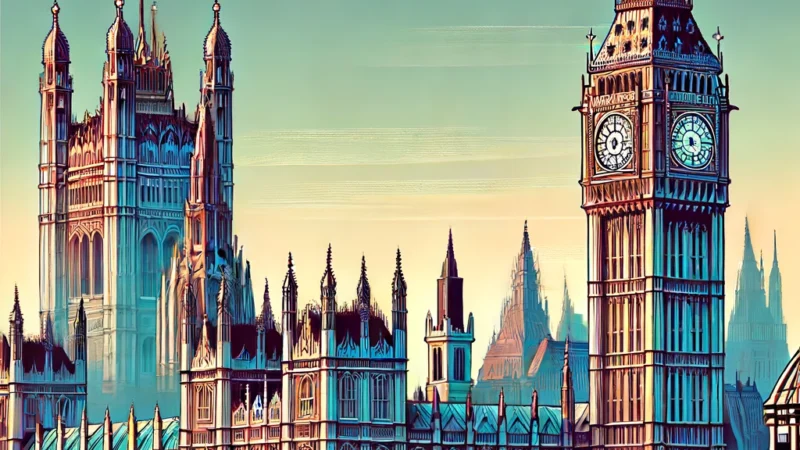
In the UK, general elections determine the composition of the House of Commons, the lower house of Parliament. The process begins when the Prime Minister requests the dissolution of Parliament from the monarch, a formality that triggers the official start of the election campaign. This dissolution typically occurs five years after the previous general election, although it can happen sooner under certain circumstances, such as a vote of no confidence or a strategic move by the sitting government.
Once Parliament is dissolved, the country gears up for election day. Each of the 650 parliamentary constituencies across the UK will elect one Member of Parliament (MP) to represent them. These constituencies are designed to have roughly equal populations, though disparities can occur due to shifting demographics and the complexities of boundary adjustments.
Political parties select candidates to stand for election in each constituency. These candidates campaign vigorously, attending debates, canvassing door-to-door, and engaging with media to present their policies and persuade voters. For many voters, these campaigns are a crucial opportunity to understand what each candidate and party stands for, influencing their decision at the ballot box.
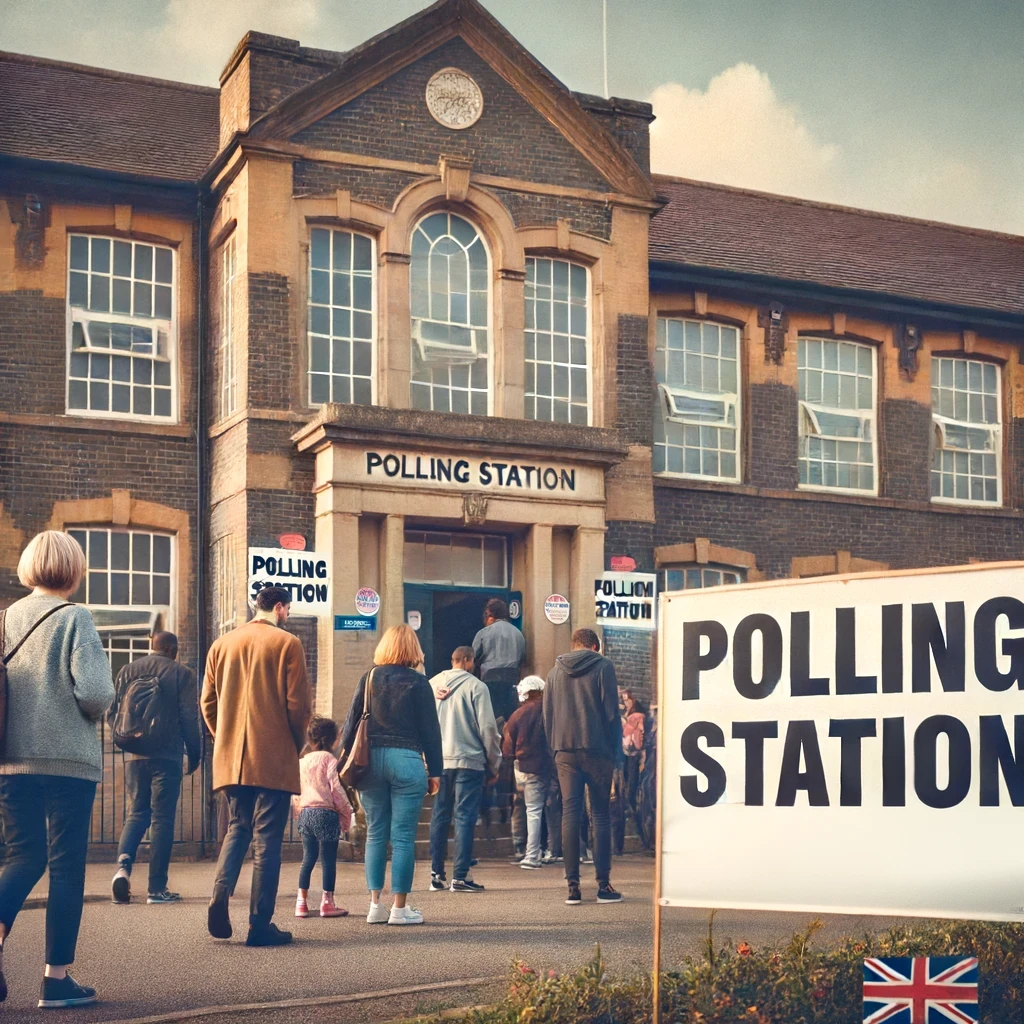
Voting in the UK is conducted using a first-past-the-post system. On election day, voters head to polling stations set up in public buildings like schools and community centres, where they are given a ballot paper listing the candidates standing in their constituency. Voters mark an ‘X’ next to their chosen candidate, and the candidate with the most votes in each constituency wins the seat.
The counting process begins as soon as the polls close, with local authorities ensuring that votes are counted accurately and transparently. This often involves long nights for election officials and volunteers, with results typically announced in the early hours of the following day. The party that wins the most seats is invited by the monarch to form a government. If no party achieves a majority, a hung parliament occurs, leading to potential coalition negotiations or minority government agreements.
The significance of general elections in the UK extends beyond merely selecting MPs. They are a reflection of the public’s will and serve as a mechanism for holding the government accountable. Through their vote, citizens can express satisfaction or dissatisfaction with the current administration’s performance, influence the national policy direction, and contribute to the shaping of future legislation.
Moreover, general elections are a powerful reminder of the value of civic engagement. They encourage public debate, raise awareness of key issues, and foster a sense of community involvement. The lead-up to an election often sees a surge in political discourse, both in traditional media and on social platforms, as citizens discuss, argue, and advocate for their preferred outcomes.
As election day approaches, it is essential for all eligible voters to ensure they are registered and understand where and how they can cast their vote. Participation is not just a right but a responsibility that strengthens the democratic fabric of the nation.
In the current climate, with political issues ranging from economic policies to climate change and public health, this upcoming election carries substantial weight. The decisions made by voters will shape the UK’s path for years to come, influencing everything from international relations to domestic social policies.
As we inch closer to the election, the atmosphere of anticipation grows. Candidates will intensify their campaigns, and the electorate will weigh their options, ready to make their voices heard. It is a dynamic period marked by the exercise of democratic rights and the collective determination to steer the nation towards a future that reflects the electorate’s diverse perspectives and aspirations.