Tourism: A Double-Edged Sword for Local Communities
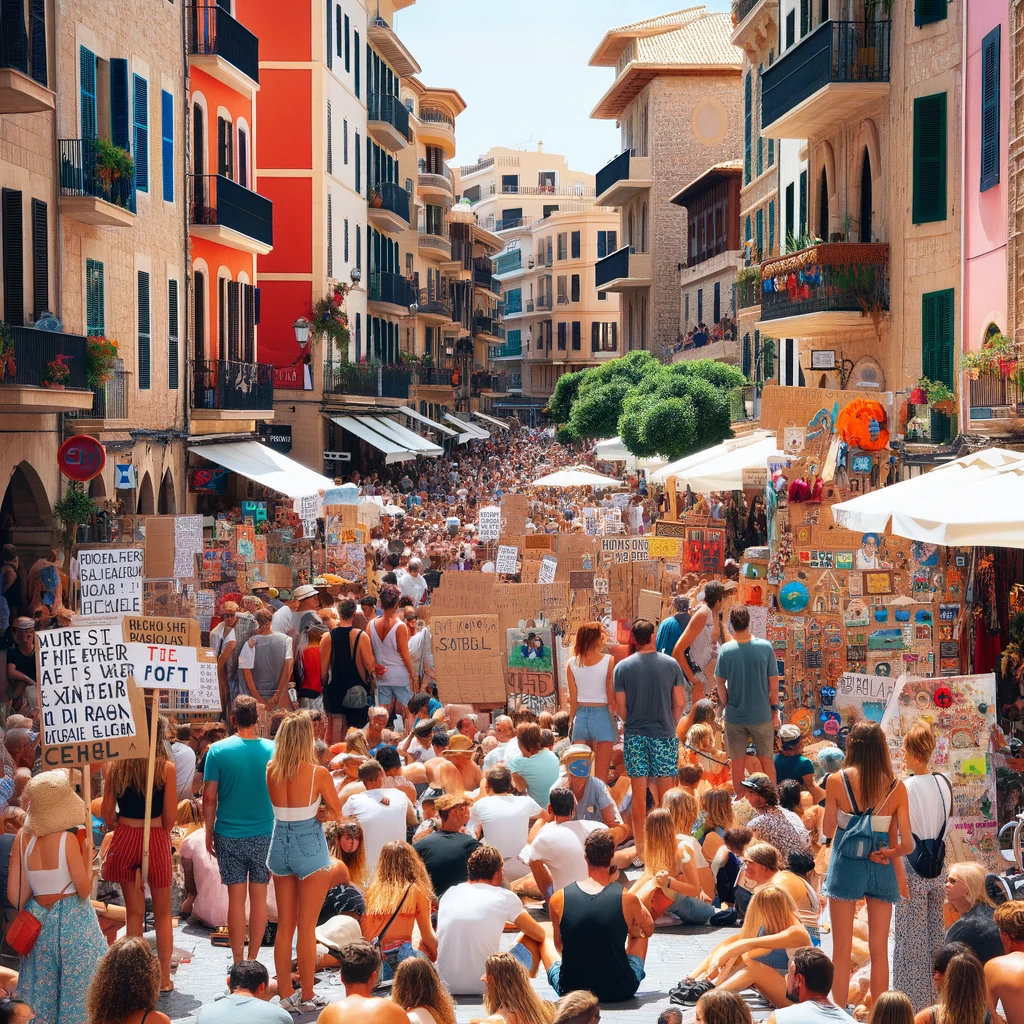
In late May, Palma’s streets saw a sea of protestors, around 10,000 strong, voicing their frustration over the impact of tourism on their daily lives. Their makeshift wooden placards, scrawled in black marker, starkly conveyed their message: “Everywhere you look everyone is foreign.” This protest marked the onset of the summer holiday season, highlighting a growing discontent in tourist hotspots where the influx of visitors has long been a norm.
The grievances emerging from Palma are echoed in many parts of the world, suggesting a complex web of factors at play. The Covid-19 pandemic has undoubtedly left its mark, with a ‘Covid hangover’ affecting various aspects of life, but there is also the undeniable reality that more people globally now have the financial means to travel. This surge presents significant questions about the sustainability and future of tourism.
Projections for 2024 indicate a record-breaking year for tourism, surpassing the previous high of 2019. The travel and tourism industry has rebounded with vigour post-pandemic, and any lingering doubts about the safety of travel seem to have dissipated. In Spain’s Balearic Islands, which include Majorca, the pent-up demand following the pandemic has driven rents to such heights that locals, including essential workers like nurses, doctors, and police officers, struggle to afford housing in their own towns. This situation paints a vivid picture of locals feeling like extras in their own movie.
Despite recessionary pressures, the number of people in the West who can afford regular foreign trips continues to grow. For many, these trips have become essential purchases, perceived almost as a human right. This sentiment is mirrored 1,500 miles away in the Canary Islands, where tourism constitutes a significant portion of the economy, accounting for 35% of the GDP and 40% of jobs. Yet, the cost of living for locals remains a pressing issue.
Chris Elkington, the editor of The Canarian Weekly, has witnessed tourism’s unchecked growth since he moved to Tenerife in 1991. The surge in tourist accommodations, while economically beneficial, has come at a steep cost. Many landlords now prefer short-term holiday lets over long-term rentals, drastically reducing the number of available properties and inflating prices. This shift has forced many hospitality workers to move away due to unaffordable rents.
Moreover, the environmental impact of tourism in the Canaries has become increasingly unsustainable. A demonstration attended by 20,000 people in April underscored the critical mass of the situation. The use of resources, especially water, is disproportionately high in tourist areas compared to residential zones. Despite the economic benefits, the resource strain is palpable.
In Venice, the battle against tourism has a long history. School teacher Marta Sottoriva once took to a small boat to block cruise liners from entering the city centre. Although these efforts led to the restriction of cruises to the industrial port, the city’s population has dwindled to fewer than 50,000 from over 150,000 in the 1970s. The result is a city where tourists outnumber locals significantly, making housing scarce and expensive.
The fear is that tourism could turn historic cities into “Disneyfied” theme parks, devoid of vibrant, mixed communities. To combat overcrowding, various measures are being implemented. Venice has introduced a trial €5 fee for day-trippers during peak times, and other historical attractions are raising their charges. Tourist boards are now promoting “high value, low volume” tourism, aiming to attract travellers who spend more and are mindful of their environmental impact.
Encouraging travel during the “shoulder season” and staggering school holidays could help alleviate the pressure on popular destinations. The concept of “dispersal” is also gaining traction, where tourists are persuaded to visit alternative, less busy spots. Limiting car parking is another tactic, though it doesn’t prevent tourist buses from bringing large groups.
The picturesque village of Hallstatt in Austria exemplifies the strain on small tourist hotspots. Despite its charm, the town’s 800 residents are dwarfed by the 10,000 daily visitors, often leading to conflicts over public and private spaces. The local authorities struggle to balance the rights of residents with the influx of tourists, many of whom are drawn by the village’s Instagrammable views.
As new tourist markets emerge, the challenges intensify. India’s booming economy and growing middle class have led to a surge in international travel, with millions of Indians now exploring the world. This trend is expected to grow, with significant implications for global tourism.
While short-haul flights remain inexpensively accessible, their environmental impact is a growing concern. The aviation industry contributes significantly to greenhouse emissions, a figure that is likely to rise. This ethical conundrum underscores the broader issue: how to balance the benefits of tourism with its negative impacts.
Ultimately, the questions of who should travel, where, and when, remain complex and contentious. The sentiment expressed on a placard in Palma captures this dilemma succinctly: “We live off tourism but tourism doesn’t let us live.”