Journeys of Joy: The Evolution of Holiday Travel in Britain
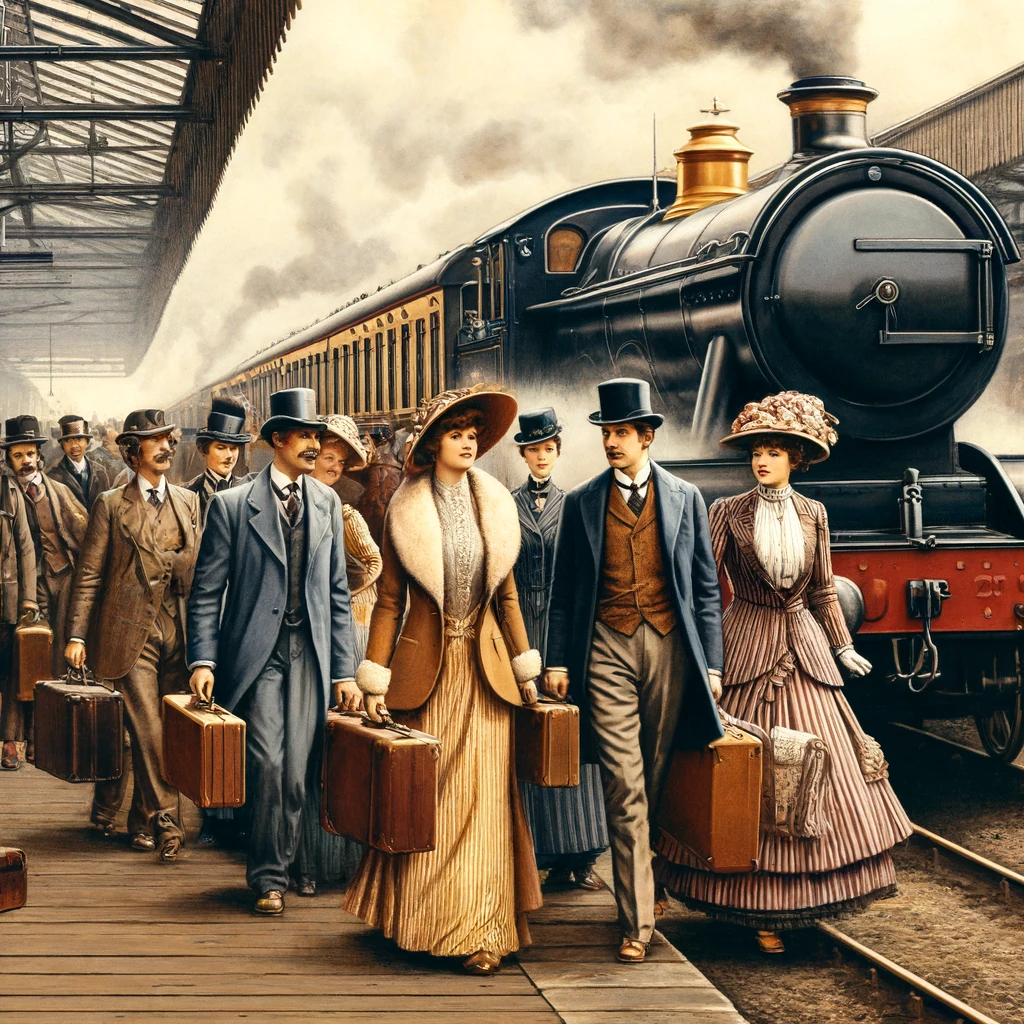
The British love affair with holiday travel is a fascinating journey through time, reflecting not only changes in transportation but also societal shifts and the burgeoning desire for leisure and exploration. This tradition, deeply ingrained in the cultural fabric of the United Kingdom, has evolved from elite coastal retreats to mass tourism to distant shores.
The genesis of British holiday travel can be traced back to the 18th century when the wealthy began to visit spa towns like Bath and Harrogate. These early forms of holidays were primarily health-oriented, with the elite flocking to spas to ‘take the waters’, which were believed to have healing properties. However, the true democratisation of travel came with the advent of the railway in the 19th century. The railway revolution made it possible for the wider populace to escape the urban grind and spend time by the seaside or in the countryside, giving rise to the quintessential British seaside holiday.
By the late 1800s, towns like Blackpool, Brighton, and Scarborough had become synonymous with British holidaymaking. The introduction of the Bank Holiday Act of 1871 afforded workers time off, and seaside towns blossomed with piers, amusement parks, and promenades, encapsulating the joy and frivolity of escape from daily routines. The iconic image of Victorian families enjoying the beach, complete with bathing machines and formal swimwear, captures this era perfectly.
The 20th century heralded further changes with the rise of the automobile, which provided newfound freedom and accessibility. The motorcar allowed families to venture further afield and on their own schedules, leading to a boom in camping and caravanning, particularly in the idyllic landscapes of the Lake District and the Scottish Highlands.
Post-World War II Britain saw another significant transformation in holiday travel: the advent of package holidays and affordable air travel. By the 1960s, the British were no longer confined to their own island; the Mediterranean became a popular destination, symbolising not just a change in destination but also a shift in leisure activities—from passive seaside sojourns to more dynamic, culturally immersive experiences.
Today, holiday travel is an integral part of British culture, reflecting a world that is more connected than ever before. Yet, the spirit of those early travellers—searching for health, relaxation, or adventure—persists. Whether it’s a staycation in Cornwall, a trek through the Alps, or a safari in Kenya, the essence of British holidaymaking, a quest for a change of scenery and experience, continues to thrive.
The story of British holiday travel is more than just a history of transportation and leisure; it’s a mirror to the changing social landscape and values. It reflects evolving work-life balance priorities, advances in technology, and an ever-expanding curiosity about the world—a testament to the human spirit’s desire to explore and enjoy.