The Enduring Charm of the Handmade: A Reflection on Modern Values
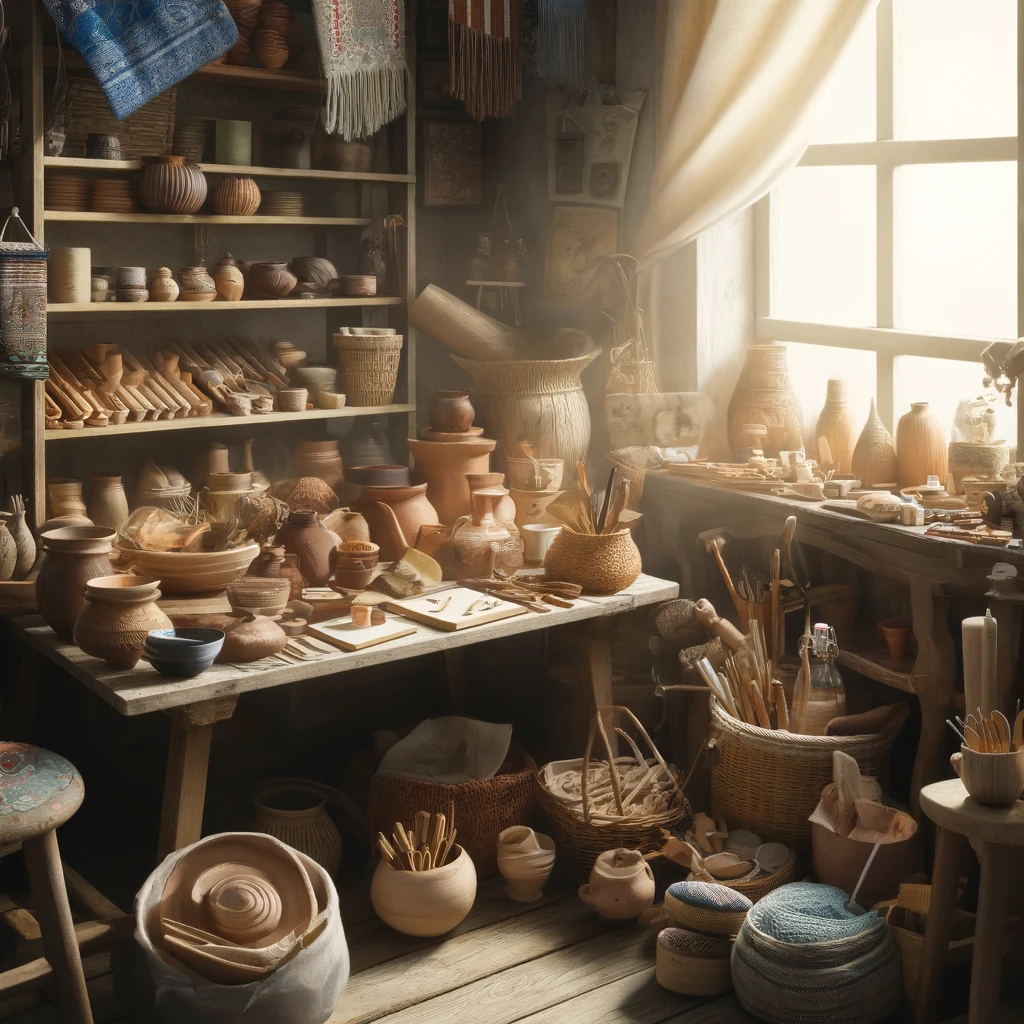
In recent years, there’s been a discernible shift in consumer preferences towards handmade and artisanal products, ranging from food items to fashion and beyond. This resurgence in the popularity of handcrafted goods isn’t just a fleeting trend but seems to be rooted deeply in a collective yearning for authenticity, quality, and sustainability. It’s a movement that speaks volumes about the modern consumer’s values and their evolving relationship with the objects they choose to bring into their lives.
At the heart of this revival is a growing awareness and appreciation for the craftsmanship involved in creating something by hand. Unlike mass-produced items, handmade goods carry the imprint of their maker’s skill, time, and passion. This connection to the artisan adds a unique value and significance to each piece, turning everyday items into treasures laden with stories and character. Whether it’s a hand-thrown pottery mug, a woven textile, or a piece of bespoke jewellery, the appeal lies in knowing that no two pieces are exactly alike.
This shift towards artisanal goods also reflects a broader societal move towards mindfulness and sustainability. Consumers are increasingly conscious of the environmental impact of their purchases, seeking out products that are not only durable and timeless but also ethically produced. Handmade goods, often made from natural, locally sourced materials, tick all these boxes, offering an antidote to the disposable culture that has dominated the consumer landscape for decades.
Furthermore, the preference for artisanal items is intertwined with a desire for a more personal and authentic shopping experience. In a world where digital interactions often outnumber physical ones, the opportunity to meet the maker, hear their story, and see the process behind the creation of a product is invaluable. It fosters a sense of community and connection that is often missing in traditional retail environments.
The economic implications of this trend are equally significant. By choosing handmade, consumers are directly supporting small businesses, independent artisans, and local economies. This not only helps in preserving traditional crafts and skills that might otherwise be lost but also contributes to a more diverse and resilient economic landscape.
However, this return to handmade does not come without its challenges. Artisanal goods often come with a higher price tag than their mass-produced counterparts, a reflection of the time, skill, and materials involved in their creation. This can limit accessibility for some consumers, creating a divide between those who can afford to invest in these items and those who cannot.
Despite these challenges, the allure of handmade and artisanal products continues to grow. It represents a collective desire for more meaningful consumption, a closer connection to the things we own, and a deeper appreciation for the art of craftsmanship. As this trend evolves, it will be interesting to see how it shapes consumer habits, the retail landscape, and the broader dialogue around sustainability and ethical production.
In essence, the rising interest in artisanal goods is more than just a preference for the aesthetic qualities of handcrafted items; it’s a profound statement about what we value as a society and how we envision the future of consumption. It’s a reminder that in our fast-paced, digital world, there’s still a place for the slow, the meticulous, and the authentically human.