

Navigating the New Era of News: Technology, Trust, and Transformation
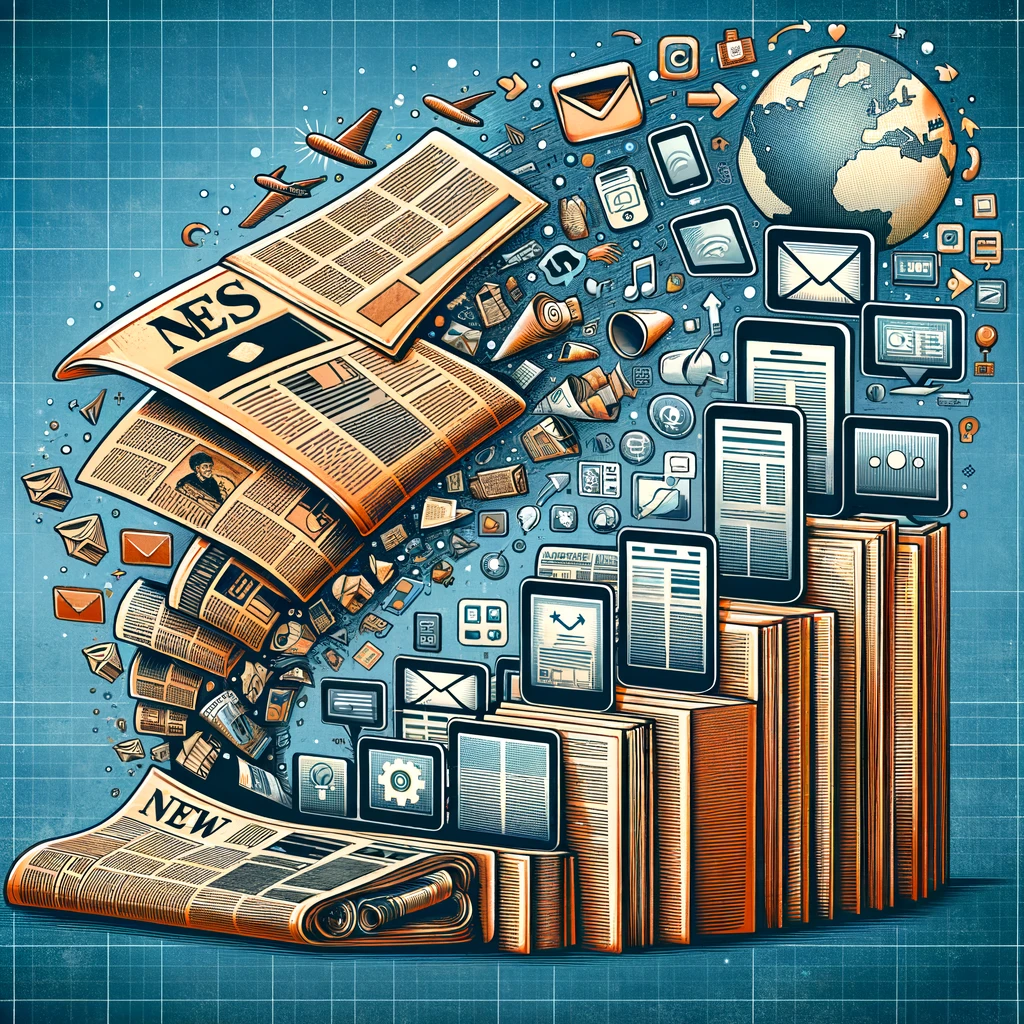
The fabric of our society has always been woven with threads of information, storytelling, and news. From the heralds of ancient times to the digital tweets of the modern era, how we consume information has evolved drastically. This transformation is not merely about the shift from paper to pixels but also about the profound changes in trust, technology, and trends that underpin our understanding of the world.
The advent of the printing press in the 15th century revolutionized the dissemination of news, making it accessible to a wider audience. For centuries, newspapers and broadcast media like radio and television were the primary sources of news for the general public. These platforms enjoyed a high level of trust, as their role in informing the public was clear and largely unchallenged. Journalists and editors were gatekeepers of information, deciding what was newsworthy and how it should be presented.
However, the turn of the millennium heralded a seismic shift in this landscape with the rise of the internet and, subsequently, social media. These platforms democratized information, removing the barriers to who could publish news. Suddenly, anyone with an internet connection could share their story with the world. This shift has led to a proliferation of news sources, both traditional media moving online and entirely new outlets born in the digital age.
While this democratization has undoubtedly widened access to information, it has also introduced significant challenges. The sheer volume of information available online has made it difficult for individuals to discern reliable news from misinformation. The rapid pace at which news travels on the internet, often with little to no gatekeeping, has further exacerbated this issue. As a result, trust in news media has been eroding. Surveys consistently show a decline in public confidence in traditional news sources, compounded by a political climate that often questions the legitimacy of established news outlets.
Moreover, the business models that support news media have also been transformed by technology. The decline in print advertising revenue has been stark, pushing many news organizations towards digital advertising and paywalls. However, digital advertising is often less profitable, and the competition for clicks has led to sensationalism and clickbait. This environment poses a challenge not only to the financial viability of news organizations but also to the quality of news that prioritizes depth and accuracy over virality.
Amid these challenges, there are also opportunities. The rise of investigative journalism platforms, nonprofit news organizations, and community-focused news outlets suggests a hunger for quality journalism. New technology, including artificial intelligence and machine learning, offers tools for better fact-checking and the potential to personalize news consumption without compromising on integrity.
Furthermore, the recent global events, such as the pandemic and social movements, have underscored the critical role of reliable news in society. They have highlighted the need for news media to adapt, not just in how they operate financially or in the adoption of new technologies, but also in rebuilding trust with their audience. The path forward for news media is to leverage technology not just for distribution but as a tool to enhance the quality of journalism, ensuring it is both accessible and trustworthy.
The changing landscape of news media is not just a story of technology; it’s a narrative of society’s evolving relationship with information. As we navigate this complex terrain, the question of how we can sustain a news ecosystem that informs, engages, and empowers remains paramount. In this age of information overload, fostering a culture of critical thinking and media literacy is crucial. Only then can we ensure that the society remains informed, not just connected.


