Embracing the Future of Travel: The Rise of Sustainable Tourism

In an era where the footprint of human activity is evident in even the most remote corners of the globe, the concept of sustainable travel has emerged not just as a trend, but as a necessary evolution of tourism. As explorers and adventurers seek to quench their thirst for new experiences, there’s a growing consciousness about the impacts of travel on the planet and local communities. Sustainable travel seeks to reconcile the desire to explore the world with the imperative to preserve it for future generations. This philosophy hinges on three core principles: reducing environmental impact, supporting local economies, and conserving cultural heritage.
The allure of jet-setting to distant lands is undeniable, but traditional forms of tourism often come with a hefty environmental price tag. From the carbon emissions of air travel to the waste generated by hotels, the ecological footprint of a typical holiday can be substantial. However, by adopting a more mindful approach to travel, it’s possible to mitigate these effects. Choosing eco-friendly accommodations, for example, can make a significant difference. These establishments typically employ sustainable practices such as using renewable energy sources, recycling and managing waste responsibly, and sourcing food locally. Not only do these practices reduce the environmental impact of your stay, but they also contribute to the local economy.
Transportation is another critical aspect of sustainable travel. While air travel is sometimes unavoidable, there are ways to lessen its environmental impact. Opting for airlines that use more fuel-efficient aircraft or that invest in carbon offsetting projects can help. Once at your destination, prioritizing public transport, biking, or walking over renting a car not only reduces emissions but also offers a more authentic and engaging experience of the locale.
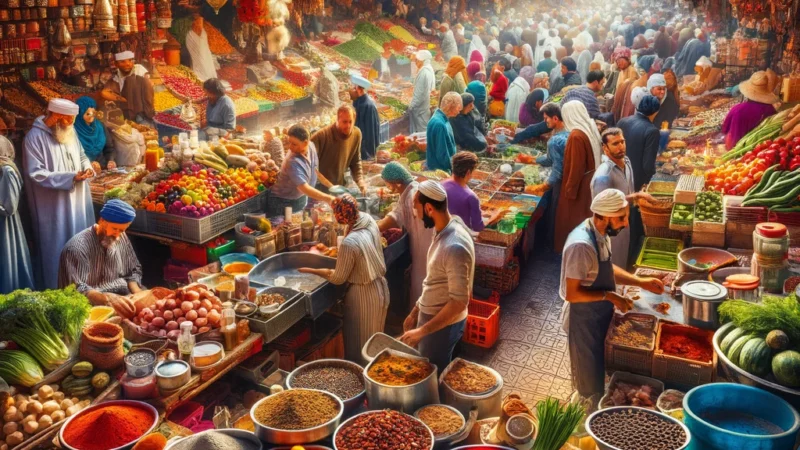
Supporting local economies is a cornerstone of sustainable travel. Tourists can make a significant positive impact by choosing to spend their money on local businesses rather than international chains. This includes dining at local restaurants, staying in locally owned accommodations, and purchasing goods and services from local vendors. Such choices ensure that the benefits of tourism are more evenly distributed within the community, fostering economic development and reducing the risk of over-tourism and its associated ills.
Cultural preservation is also a vital component of sustainable tourism. Respecting and learning from local customs and heritage enriches the travel experience and contributes to the survival of unique cultural practices and monuments. Sustainable tourists seek out authentic experiences that allow for a deep connection with the local culture, rather than superficial encounters designed for mass consumption.
The path to sustainable travel is not without its challenges, however. One of the main hurdles is the perceived inconvenience and sometimes higher costs associated with eco-friendly choices. Overcoming these obstacles requires a shift in perspective, recognizing that the true cost of travel encompasses not only the price paid upfront but also the long-term impact on our planet and societies.
As the world becomes increasingly interconnected, the responsibility of travellers to tread lightly and thoughtfully grows ever more pressing. The choices we make on our journeys can contribute to a more sustainable, equitable, and enriching tourism industry. By embracing the principles of sustainable travel, we can explore the wonders of our world in a way that ensures they remain for generations to come.