

Blockchain Beyond Bitcoin: A Digital Revolution in Various Industries
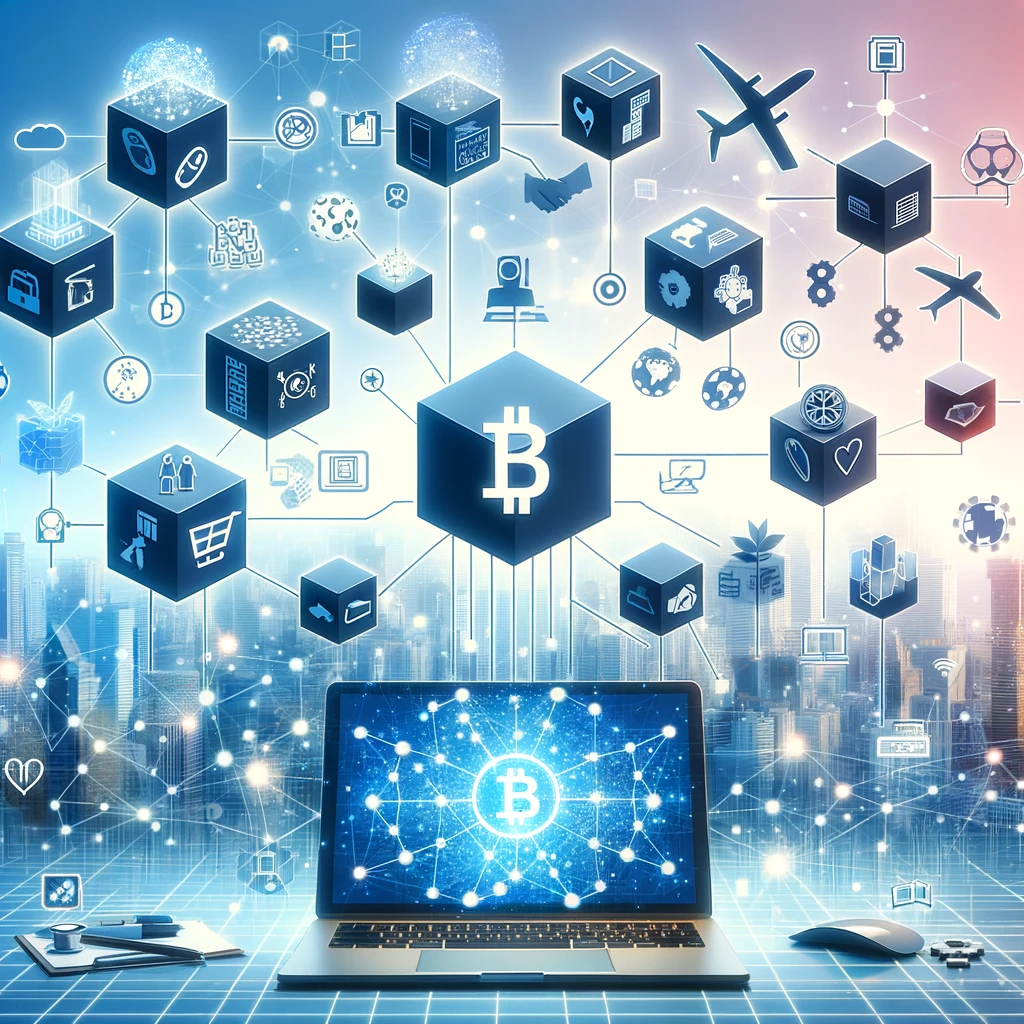
Blockchain technology, once synonymous with Bitcoin and the shadowy world of cryptocurrencies, has quietly been revolutionizing a myriad of industries far beyond the financial sector. Its promise of decentralization, transparency, and security has caught the eye of innovators and disruptors in fields as diverse as healthcare, supply chain management, real estate, and even voting systems. This exploration delves into the multifaceted applications of blockchain technology, demonstrating its potential to reshape the global economic landscape and address some of the most pressing challenges faced by these sectors.
At its core, blockchain is a distributed ledger technology (DLT) that maintains a secure and unalterable record of transactions across a network of computers. This decentralization ensures that no single entity has control over the entire database, significantly reducing the risk of fraud and cyber-attacks. The implications of such a system are vast and varied, offering unprecedented levels of transparency and efficiency to any process or industry that adopts it.
In the healthcare sector, blockchain technology is being leveraged to revolutionize patient data management. Traditional systems, often siloed and prone to breaches, have struggled to keep sensitive information secure and accessible. Blockchain, however, offers a solution by enabling a secure, unified platform where patients’ medical records can be stored and shared among authorized healthcare providers with ease and integrity. This not only improves the quality of care by providing doctors with a holistic view of a patient’s medical history but also empowers patients by giving them control over their personal data.
Supply chain management is another area ripe for blockchain innovation. In an increasingly globalized world, supply chains have become complex and opaque, making it difficult to trace the origin of products and ensure their authenticity. Blockchain technology introduces transparency into the supply chain by recording every transaction on a public ledger, accessible by all parties involved. This traceability can significantly reduce costs related to fraud and counterfeiting, ensure compliance with regulations, and ultimately enhance consumer trust in brands.
The real estate sector is witnessing a blockchain-driven transformation in property transactions, which have traditionally been cumbersome, paper-heavy, and expensive. By digitizing property records and utilizing smart contracts, blockchain can streamline the process, making it faster, more secure, and less prone to human error. Smart contracts automatically execute transactions when predefined conditions are met, eliminating the need for intermediaries and reducing transaction times and costs.
Even the democratic process stands to benefit from blockchain technology. With concerns over election security and integrity at an all-time high, blockchain offers a solution that could make voting not only more secure but also more accessible. By recording votes on a blockchain, the technology can ensure that each vote is counted and that the ledger remains tamper-proof, potentially paving the way for secure online voting systems in the future.
Despite its potential, the adoption of blockchain technology faces hurdles. Regulatory challenges, the need for a paradigm shift in traditional business models, and the technological complexities involved in implementing blockchain solutions are significant barriers. However, as industries continue to grapple with issues of trust, transparency, and efficiency, the allure of blockchain’s capabilities is hard to ignore.
The journey of blockchain from a cryptocurrency underpinning to a cornerstone technology of the future’s digital economy underscores a broader shift towards a more transparent, secure, and efficient global marketplace. As we continue to explore its applications and push the boundaries of what is possible, blockchain technology may well prove to be the bedrock upon which the next generation of digital innovation is built.


