Unwrapping the Truth: Why British Supermarkets Love Plastic Packaging
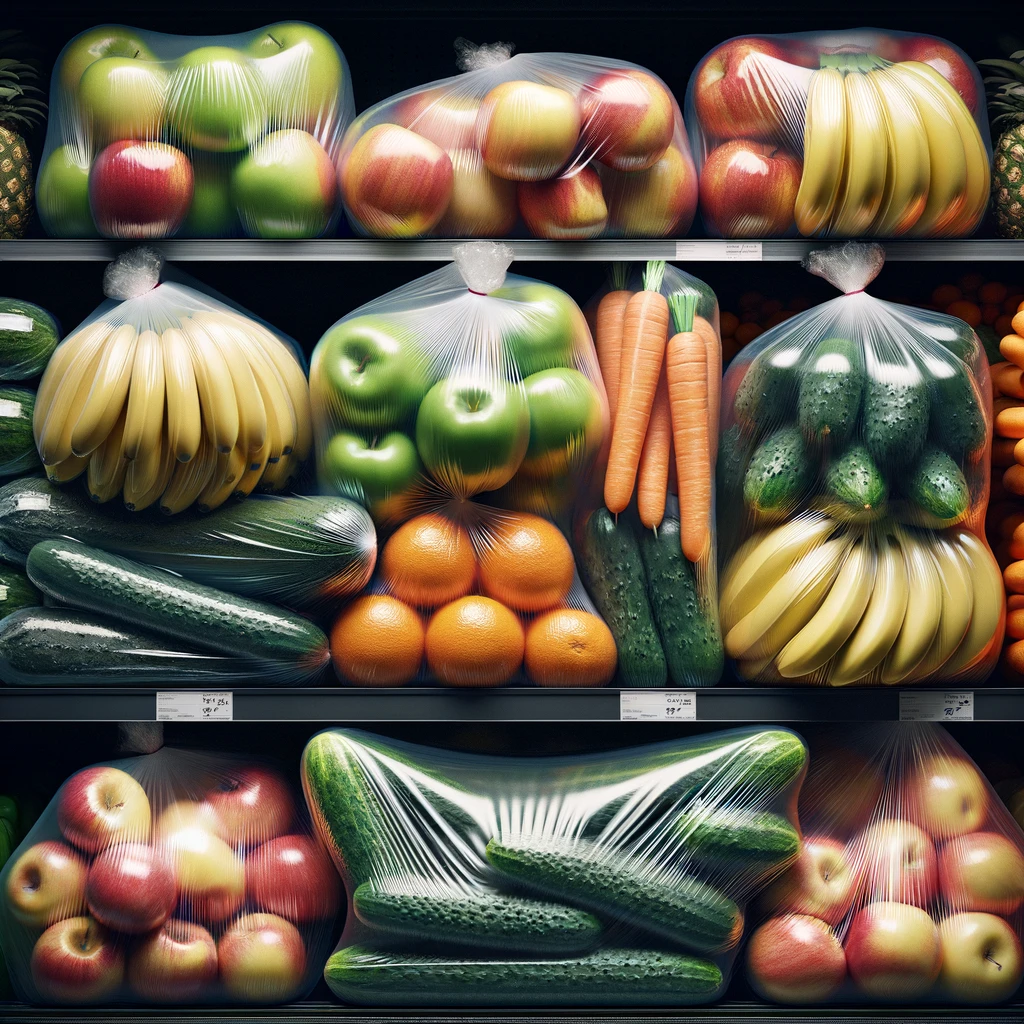
In recent years, a trip down the produce aisle of a British supermarket has become a visually striking experience, but not necessarily for the vibrant colours of fruit and vegetables on display. Instead, shoppers are greeted by a sea of plastic packaging enveloping everything from bananas to broccoli. This phenomenon isn’t unique to the UK; however, British supermarkets seem to have a particularly tight grip on the practice. The question arises: why is there such a reliance on plastic wrapping for fruits and vegetables, and what are the implications for consumers and the environment?
The roots of this plastic-packed reality lie in a combination of factors, including consumer expectations, logistical challenges, and, ironically, efforts to reduce food waste. Supermarkets argue that packaging extends the shelf life of fresh produce by protecting it from damage during transportation and by preserving moisture, which keeps produce fresher for longer. This, in turn, is seen as a way to tackle food waste, a significant issue given that the Waste and Resources Action Programme (WRAP) reported that UK households waste 4.5 million tonnes of food that could have been eaten, each year.
Consumer expectations also play a crucial role. Shoppers have grown accustomed to year-round availability of pristine fruits and vegetables, free from blemishes and dirt. Packaging is used not only to protect produce but also to present it in a way that meets these aesthetic standards. Moreover, pre-packaged goods allow for easier pricing and barcoding, which benefits both the supermarkets in terms of inventory management and customers in terms of convenience.
However, this convenience comes at a considerable environmental cost. The extensive use of plastic packaging contributes significantly to plastic pollution, a pressing global issue. Plastics are notorious for their long decomposition times, with some types taking up to 1000 years to break down, leading to harmful effects on wildlife and ecosystems. The Ellen MacArthur Foundation warns that, at the current rate, there could be more plastic than fish in the ocean by 2050. This stark projection underscores the urgency of addressing plastic waste.
The backlash against plastic packaging has prompted supermarkets and consumers alike to reconsider their choices. There is a growing demand for loose produce and for packaging alternatives that are biodegradable or easier to recycle. In response, some supermarkets are trialling plastic-free aisles and introducing more eco-friendly packaging solutions. However, these initiatives face their own set of challenges, including the higher cost of sustainable materials and the need for infrastructure to properly dispose of or recycle these alternatives.
Despite these efforts, the transition away from plastic packaging is complex and fraught with trade-offs. For example, replacing plastic with other materials like glass or metal could, in some cases, increase carbon footprints due to their higher weight and the energy required for production and recycling. Thus, finding the optimal solution requires a careful balancing act between reducing plastic use, minimizing food waste, and managing the environmental impact of alternative materials.
The prevalence of plastic packaging for fruits and vegetables in British supermarkets is a multifaceted issue that intersects with consumer culture, environmental sustainability, and economic considerations. As awareness grows and priorities shift towards more sustainable living, supermarkets and consumers are slowly adapting. The challenge lies in developing and embracing solutions that address not just the symptom of plastic waste but also the underlying issues of food waste and unsustainable consumption patterns.