

Penicillin: The Serendipitous Discovery That Revolutionised Medicine
In the annals of medical history, few discoveries have had as profound an impact on human health as the discovery of penicillin. This tale of serendipity, scientific curiosity, and relentless pursuit of innovation not only transformed the field of medicine but also marked the dawn of the antibiotic era, fundamentally altering our fight against bacterial infections.
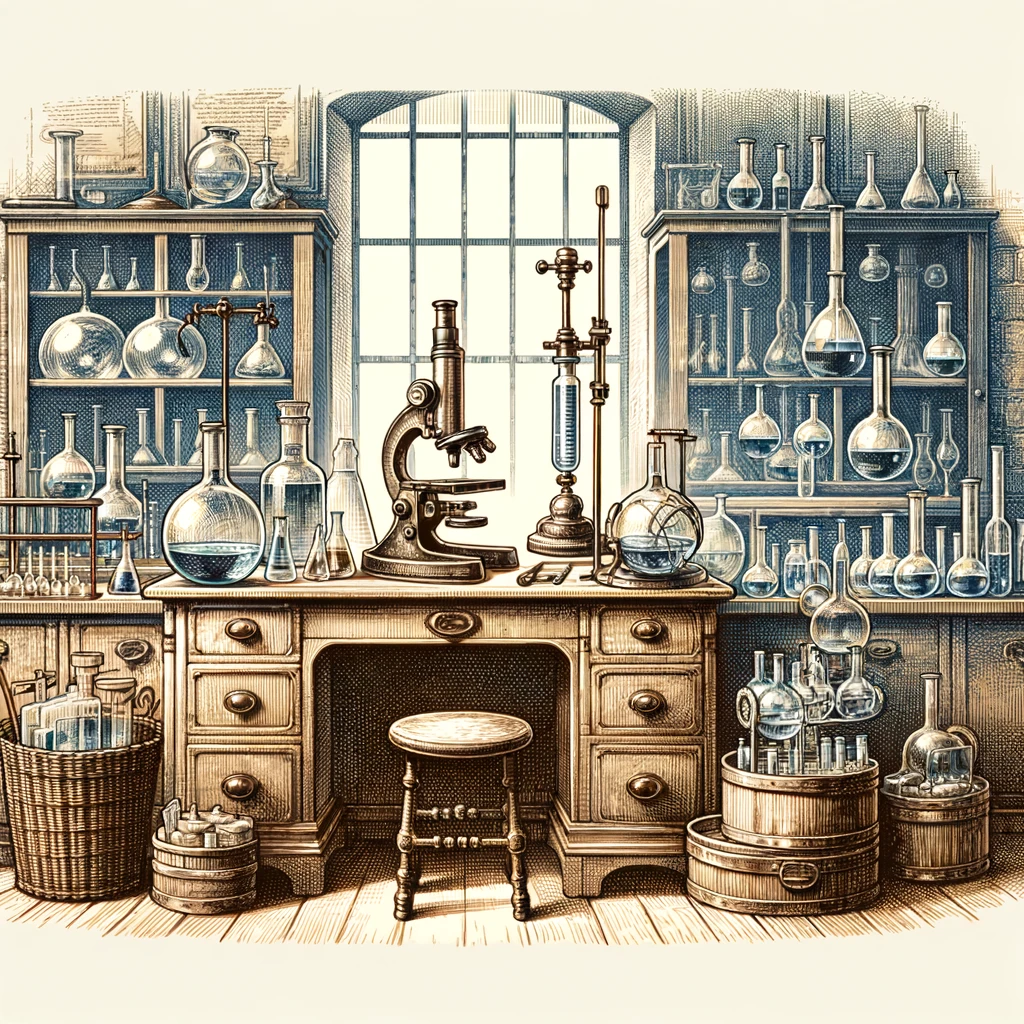
The story begins in the bustling laboratories of St. Mary’s Hospital, London, in 1928, where Scottish bacteriologist Alexander Fleming made a groundbreaking observation. Upon returning from a holiday, Fleming noticed that a mould, later identified as Penicillium notatum, had contaminated one of his petri dishes. More intriguingly, the mould seemed to have killed the staphylococci bacteria he was cultivating. This accidental discovery led Fleming to isolate the mould’s juice, which he demonstrated could effectively kill a wide range of bacteria. He named this juice “penicillin,” heralding the first known antibiotic, although its true potential was not immediately recognised.
The road from discovery to clinical application was neither swift nor straightforward. Initial attempts to purify and concentrate penicillin proved challenging, rendering it a curiosity with limited practical application. It wasn’t until the late 1930s and early 1940s, amid the ravages of World War II, that a team at the University of Oxford, including Howard Florey, Ernst Boris Chain, and Norman Heatley, succeeded in developing methods to mass-produce penicillin. Their work culminated in the first successful treatment of a bacterial infection with penicillin in 1942, a landmark moment in medical history.
The development and scaling of penicillin production were feats of scientific and engineering ingenuity. Faced with the pressing need to treat wounded soldiers in World War II, the team employed innovative fermentation techniques, utilising large-scale vats to grow the Penicillium mould. The United States, recognising the drug’s potential, invested heavily in its production, leading to the establishment of penicillin manufacturing plants. By D-Day in 1944, enough penicillin was available to treat all the allied forces’ wounded, dramatically reducing the death toll from bacterial infections.
The discovery of penicillin sparked a golden age of antibiotic discovery, leading to the identification and development of other antibiotics within the penicillin family. These include amoxicillin, ampicillin, and methicillin, each with unique properties and applications, further expanding our arsenal against bacterial infections. These derivatives were developed to address the varying needs of patients, including those with allergies to penicillin or infections caused by bacteria resistant to the original molecule.
The penicillin family of antibiotics works by inhibiting the synthesis of peptidoglycan, a critical component of bacterial cell walls. This mechanism of action is effective against a wide range of Gram-positive bacteria, and some Gram-negative bacteria, making these antibiotics versatile tools in the treatment of infections. The adaptability of penicillin and its derivatives, coupled with their relatively low toxicity to humans, cemented their place in the pantheon of essential medicines.
As we reflect on the legacy of penicillin, it’s clear that its discovery was more than just a fortunate accident. It was a testament to the importance of observation, experimentation, and interdisciplinary collaboration in advancing medical science. The impact of penicillin extends beyond its life-saving capabilities; it fundamentally changed our approach to treating infections, laid the groundwork for the development of other antibiotics, and underscored the potential of natural products as sources of new drugs.
In a world pre-penicillin, minor infections could be death sentences, and surgical procedures were fraught with the risk of postoperative infections. The introduction of penicillin and its subsequent relatives from the penicillin family changed all that, providing physicians with effective tools to combat bacterial infections, saving countless lives, and improving the quality of healthcare. As we continue to explore the mysteries of the microbial world, the story of penicillin remains a beacon of hope, reminding us of the transformative power of scientific discovery.


