

The Rise of Plant-Based Diets: A Sustainable Shift Towards Health and Environment
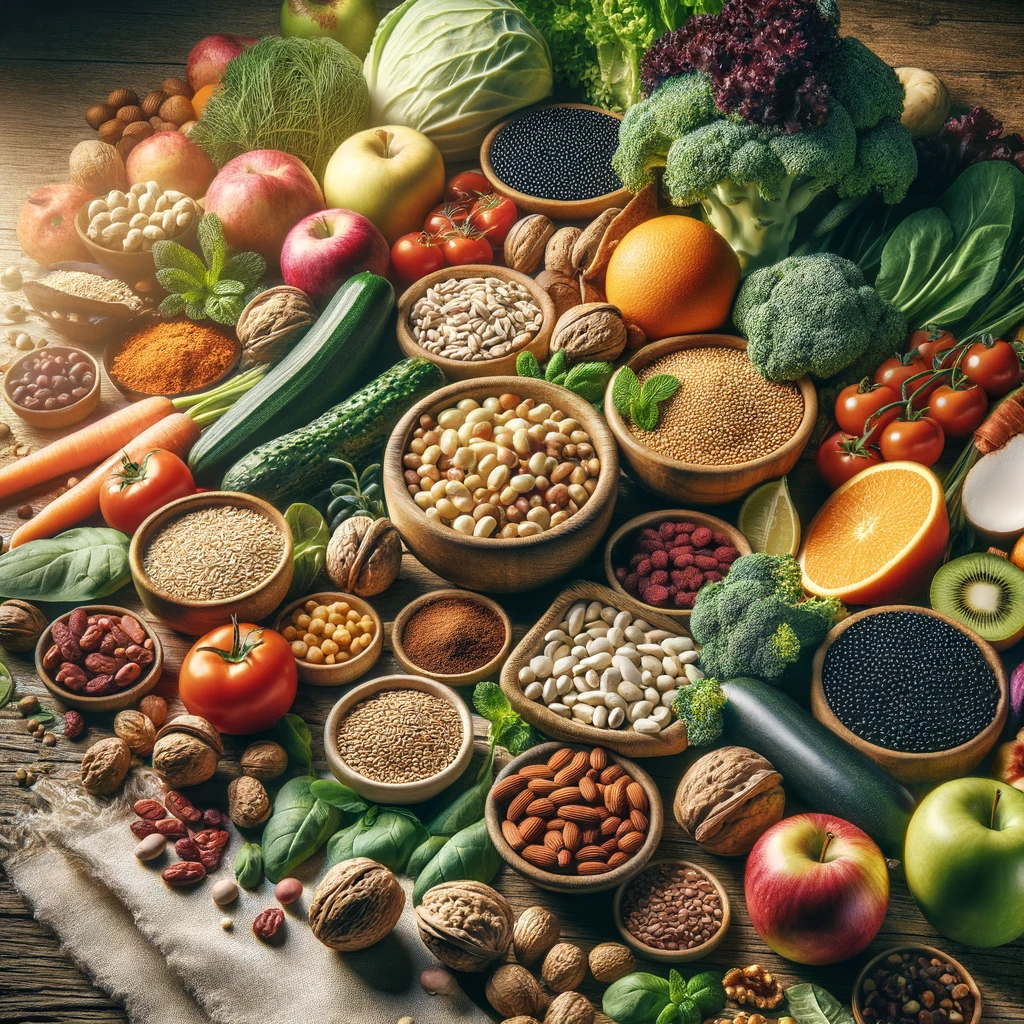
In recent years, the rise of plant-based diets has emerged as a notable shift in global dietary patterns, underscoring a collective move towards more sustainable and health-conscious living. This change is driven by a confluence of factors, each intertwining with the next, to paint a picture of a society increasingly attuned to the impacts of its consumption choices.
At the heart of this shift is a growing awareness of the health benefits associated with plant-based diets. Research consistently highlights that diets rich in fruits, vegetables, legumes, nuts, and whole grains are linked to reduced risks of major chronic diseases, including heart disease, diabetes, and certain cancers. The nutritional profile of plant-based diets, which are high in dietary fibre, vitamins, and phytonutrients, coupled with lower levels of saturated fats and cholesterol, largely accounts for these benefits. Moreover, individuals adopting such diets often report improved digestion, better energy levels, and weight management, making the health argument a compelling reason for their popularity.
Beyond individual health, the environmental benefits of plant-based diets are increasingly recognized as pivotal. The production of plant-based foods generally requires fewer resources such as water and land and generates lower greenhouse gas emissions compared to animal-based foods. This environmental efficiency is crucial in the context of climate change and the urgent need to reduce our carbon footprint. A significant reduction in meat consumption is seen as a necessary step towards achieving global environmental targets, with plant-based diets playing a central role in this transition.
The ethical considerations associated with animal welfare also play a significant role in the rise of plant-based diets. A growing portion of the population is becoming increasingly uncomfortable with the industrialized nature of animal farming and the associated ethical issues. This discomfort has led many to reconsider their dietary choices and shift towards plant-based options as a way to align their eating habits with their values.
In response to these driving forces, the food industry is undergoing a transformation, with plant-based alternatives becoming more widely available and appealing. Supermarkets and restaurants are expanding their plant-based offerings, catering to the growing demand. Innovations in food technology have led to the development of plant-based meat and dairy alternatives that closely mimic the taste, texture, and nutritional profile of their animal-based counterparts, making the transition easier for many consumers.
However, challenges remain in the widespread adoption of plant-based diets, including cultural preferences, dietary traditions, and concerns about nutrient adequacy. Education and awareness-raising about how to plan a nutritionally balanced plant-based diet are essential in addressing these challenges.
As we look to the future, it’s clear that plant-based diets will continue to grow in popularity. This dietary shift is not just a fleeting trend but a fundamental change reflecting deeper societal values around health, sustainability, and ethics. With ongoing advancements in food science and a growing collective consciousness about the impact of our dietary choices, plant-based diets are poised to play a significant role in shaping our future food systems.


